
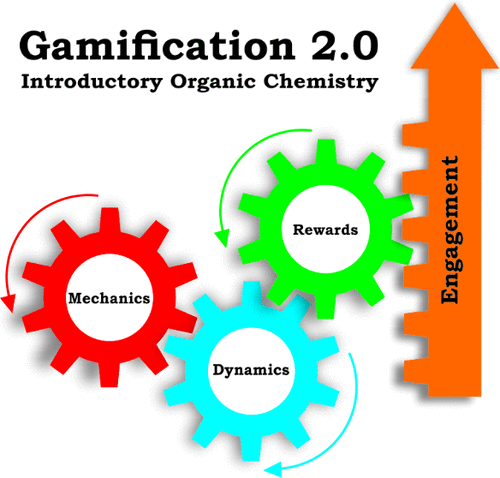
The digital evolution of online gambling is constantly seeking new ways to retain players in an oversaturated market. While attractive bonuses and fast withdrawals solve the financial equation, the next frontier is solving the psychological one. The answer lies in Gamification 2.0—the evolution of simple loyalty points into complex, interactive gaming environments that integrate elements of Role-Playing Games (RPGs), adventure and continuous progression. The casino is no longer just a place to bet; it’s a virtual world where every spin contributes to a larger narrative.
Evolution of the Loyalty System
In the past, the loyalty system was basic: spend money, get points, convert points to cash. This model was transactional and lacked emotional pull. Gamification 2.0 replaces this with a continuous progression system, often borrowing directly from successful video game models.
From Points to Progression Bars
The modern loyalty system uses visible progression mechanics that tap into the human desire for achievement and completion:
- Experience Points (XP) and Levels: Every wager contributes XP to a visible meter. Reaching a new level doesn’t just grant cash; it unlocks a tangible, permanent perk (e.g., higher cashback, faster withdrawals, exclusive games) or a new region on the virtual map.
- Narrative Integration: The progression is often tied to an overarching theme—an adventure, a civilization to build or a fictional character to evolve. This meta-game layer provides context for the player’s activity, making them feel like a hero of the casino like Stake official.
- Skill-Based Rewards: Some advanced systems award “skill points” for completing specific game challenges (e.g., hitting a Blackjack) which can be used to customize the player’s avatar or virtual profile, making the reward feel personal and reflective of their gameplay prowess.
This conversion of linear spending into non-linear, narrative progression is the core differentiator of Gamification 2.0.
Quest Structure: Turning Betting into Adventure
One of the most effective tools in the 2.0 playbook is the quest or mission system. Instead of simply hoping the player will log in and bet, the casino directs their activity by giving them small, achievable tasks.
Daily and Weekly Challenges
These quests provide players with a sense of immediate purpose upon login, combating the paradox of choice (too many games to choose from) that can lead to drop-off.
- Achievement Badges: Players earn virtual trophies or badges for achieving specific milestones, such as “Spin 100 times on a high-volatility slot” or “Place a bet on all Live Casino tables.” These digital collectibles are powerful motivators due to the innate human desire for collection and status.
- Personalized Missions: AI-driven systems offer missions based on the player’s known behavior (e.g., “Try this new Megaways game, which is similar to the one you played last week”). This lowers the psychological barrier to trying new content.
The completion of these quests rewards the player with not just cash, but with Game Currency, Loot Boxes or Keys to unlock the next stage of the meta-game.
Virtual Environment: Immersion as Retention
The most ambitious operators are transforming the casino lobby into a persistent, interactive virtual environment. This is where Gamification 2.0 truly overlaps with the emerging trends of VR and AR.
Key Elements of Virtual Casinos
- Customizable Avatars: Players are represented by highly detailed, customizable avatars that serve as their identity within the casino world. Spending resources on customizing this avatar becomes a powerful retention hook.
- Interactive Lobbies: Lobbies are rendered in 3D, allowing the player’s avatar to “walk” between game zones or sit at a virtual poker table with other players’ avatars. The environment is the reward.
- Virtual Goods (NFTs/Tokens): Rewards are sometimes delivered as unique Non-Fungible Tokens (NFTs) or virtual land/items within the casino’s digital ecosystem. This introduces digital ownership, which dramatically enhances a player’s emotional investment in the platform.
Gamification Table
| Gamification Component | Old Loyalty System (1.0) | New Interactive World (2.0) | Retention Mechanism |
| Player Status | VIP Tier (Hidden, static) | Visible XP Meter/Avatar Level | Continuous Progression/Status Quo Bias |
| Incentive | Generic Cash/Bonus Conversion | Loot Boxes/Virtual Keys/Permanent Perks | Unpredictable Reward Schedule (Variable Ratio) |
| Activity Direction | Random Bets | Guided Quests/Daily Missions | Goal Setting/Habit Formation |
| Environment | 2D Website List | 3D Interactive Lobby/Meta-Game Map | Emotional Connection/Sense of Place |
Business Rationale: Sustained Engagement
For the casino operator, Gamification 2.0 is the most effective way to boost player lifetime value (LTV). It transforms the relationship from a transactional one into a continuous emotional investment.
- Increased Cross-Sell: By directing players to complete missions on games they normally wouldn’t touch (e.g., Live Casino for a slot player), the system successfully exposes players to new verticals, increasing total platform usage.
- Churn Reduction: The commitment to the meta-game—the fear of losing progress or status—acts as a powerful psychological barrier to leaving the platform, especially if the rewards (e.g., permanent cashback rates) are tied to the earned status.
- Data Collection: Every quest completed, every badge earned and every level advanced provides the AI with richer behavioral data, allowing the operator to fine-tune future personalized offers and responsible gaming interventions.
In conclusion, Gamification 2.0 is the future of online casino retention. It successfully harnesses the proven motivational triggers of the video game industry—progression, status and narrative—to create a deeper, more enduring bond with the player. The goal is no longer just to get a player to deposit, but to invite them on a personalized, perpetual journey where the casino floor is the stage, and every spin is part of their own adventure story.