editor@ijsrp.org / ijsrp.editor@gmail.com
Subscribe Us Resources Join to Connect
IJSRP Logo

International Journal of Scientific and Research Publications

Latest Post

  • Advancements in Buried Penis Surgery: A Review of Recent Studies

    Advancements in Buried Penis Surgery: A Review of Recent Studies

    Dramatic improvements in buried penis surgery have sparked enhanced patient outcomes, prompting doctors to revise and fine-tune their approaches. Cutting-edge surgical c    techniques, fresh clinical discoveries, and refined post-op care have substantially boosted the success rates of buried penis repair procedures.

    Understanding Buried Penis: An Overview

    A buried penis occurs when the penile shaft is obscured by surrounding tissues such as skin and fat. Sometimes, it’s a birth defect that’s to blame. Other times, it’s the result of excess fat deposits or a severe injury. Unfortunately, this condition can lead to a triple threat of troubles: difficulty with urination, inhibited sexual expression, and psychological distress, with surgery often the only way to break free from these shackles.

    Modern Surgical Techniques

    1. Ligament Release and Skin Reconstruction

    Releasing the penile suspensory ligament is fundamental in achieving maximum penile exposure. Skin reconstruction follows, employing local flaps or grafts to establish a well-defined penile shaft with long-term functionality and cosmetic appeal.

    2. Suprapubic Lipectomy and Abdominoplasty

    Excessive suprapubic fat can be surgically removed through lipectomy, enhancing penile visibility. Abdominoplasty, or “tummy tuck,” is often performed concurrently to improve both functional and aesthetic results.

    3. Escutcheonectomy and Panniculectomy

    These procedures focus on excising overhanging tissues from the pubic region, facilitating better hygiene and reducing infection risks while enhancing physical appearance and comfort.

    4. Multi-Layered Skin Grafting

    Advanced skin grafting techniques provide durable coverage for the penile shaft. Full-thickness grafts from concealed areas of the body are frequently used to optimize healing and minimize scarring.

    Emerging Techniques and Innovations

    Minimally Invasive Procedures

    Minimally invasive methods, including laser-assisted liposuction and endoscopic fat removal, reduce recovery time while achieving effective outcomes through precise tissue targeting.

    Robotic-Assisted Surgery

    When surgeons pair their skills with robotic tech, they can radically reduce the shock to tissues during surgery, paving the way for a less painful, less complicated recovery.

    Post-Surgical Management and Recovery

    1. Wound Care and Infection Control

    Meticulous post-operative wound management reduces the risk of infection. This includes antibiotic administration and frequent dressing changes to maintain a sterile environment.

    2. Physiotherapy and Mobility Support

    To get back in the game, post-operative patients need a bit of guidance—that’s where targeted physiotherapy comes in, effectively reviving their underlying strength and agility to secure a swift, successful recovery.

    3. Psychological Support and Counseling

    Given the psychological impact of the condition, professional counseling addresses self-esteem and body image issues, fostering holistic recovery and improved mental health.

    Expanding Treatment Candidacy and Patient Selection

    The surgically untreatable are no longer left behind; medical advancements have cleared the way for patients with buried penis to receive transformative corrective care. In the past, surgical intervention was often reserved for severe cases. However, improved techniques now allow for the treatment of less pronounced conditions, including individuals experiencing a less visible penis due to moderate tissue overgrowth or fat accumulation. Comprehensive pre-surgical evaluations involving urological, endocrinological, and psychological assessments ensure tailored treatment plans that maximize success rates.

    Rehabilitation and Long-Term Maintenance

    Long-term success in buried penis surgery extends beyond the operating room. Proactive physical therapy zeroes in on bolstering core strength, stripping away anxiety about future flare-ups. Patients are advised on maintaining a healthy body weight and following structured exercise regimens to preserve the surgical outcomes.

    Advanced Imaging and Pre-Surgical Planning

    Surgical planning is no longer an educated guess; today, it’s a precise science, courtesy of the extraordinary advances made in imaging technology. High-definition MRI and 3D ultrasound scans yield a magnificently clear, intricately detailed roadmap of affected tissue—and surgeons use this newfound precision to create optimized, individually tailored operative plans. This critical pre-op knowledge helps avoid costly setbacks, reduces operation time, and fine-tunes both form and function.

    Holistic Care and Multidisciplinary Approach

    Effective treatment for a less visible penis due to buried penis syndrome increasingly involves a multidisciplinary care model. Doctors and therapists from a range of disciplines—urology, plastic surgery, endocrinology, psychology, and physical therapy—unite to tackle the big picture, combining their unique expertise to achieve a single, sensational goal. By tackling the whole person—body, mind, and spirit—collaborative care sets patients up for success, delivering better outcomes and a stronger sense of overall well-being.

    Patient Education and Pre-Surgical Counseling

    Pre-surgical counseling has become an essential part of the treatment process. When patients are informed about their condition, surgery, and recovery, they can better anticipate what lies ahead. Better-informed patients make better recoveries—they’re more likely to follow their post-operative care instructions, which means fewer surprises and a smoother road to recovery.

    Technological Integration in Follow-Up Care

    The use of telemedicine and wearable health monitoring devices has transformed post-surgical follow-up care. Through the power of remote consultations, wound healing can be closely monitored, mobility breakthroughs can be celebrated, and psychological ups and downs can be supported. Wearable devices keep a constant eye on vital signs and physical activity, giving swift warnings if anything goes awry.

    Clinical Outcomes and Success Rates

    Contemporary studies report high success rates due to advancements in surgical methods. Improved bladder function, rejuvenated sexual health, and a more confident body image are just a few benefits patients experience after treatment. Surgical results have held up over the long haul, with minimal relapses of tissue overgrowth occurring in patients.

    Future Directions in Buried Penis Surgery

    Imagine a future where damaged tissues can be rebuilt, and damaged cells can be replaced—this is the bold vision driving researchers as they pioneer new stem cell therapies and tissue engineering approaches to reconstructive medicine. Innovations in surgical procedures are being rigorously tested, with the goal of combining gentle, state-of-the-art techniques with swift and supportive recovery protocols.

    Conclusion

    Surgeries to correct buried penis issues have come a long way, leading to exceptional, long-term successes that were previously unimaginable. As researchers continue to push the boundaries, patients can expect substantial gains in their functional and emotional health—a truly life-altering prospect.

  • Why Cosmetic Surgery Innovations Are Making Facelifts Safer and More Accessible

    Cosmetic surgery has come a long way, especially when it comes to facelifts. Thanks to incredible advancements in technology and techniques, these procedures are now safer, more effective, and accessible to a wider range of people. Whether you’re looking for subtle rejuvenation or dramatic results, the latest innovations are opening doors like never before. Let’s explore how these breakthroughs are reshaping the facelift experience.

    Surgical Techniques That Put Safety First

    Minimally Invasive, Maximum Results

    Gone are the days of large incisions and lengthy recoveries. Today’s facelift procedures focus on minimizing impact while delivering incredible results. With smaller incisions and advanced tools, these minimally invasive techniques mean:

    • Shorter downtime.
    • Fewer visible scars.
    • A more comfortable healing process.

    Endoscopic facelifts, for example, use tiny cameras to guide surgeons, ensuring precision while keeping the procedure as gentle as possible. Another innovative approach, the deep facelift technique, goes beyond surface-level corrections by targeting deeper layers of facial tissue for a more natural, long-lasting result. This method has been lauded for its ability to rejuvenate facial structures while maintaining a patient’s unique features, combining cutting-edge technology with refined surgical expertise.

    Robotics: Precision Redefined

    Robotic-assisted surgery is adding an extra layer of safety and accuracy to facelifts. By using robotic tools, surgeons can perform highly detailed procedures with steady precision that’s hard to match. This technology isn’t just flashy—it leads to:

    • Better symmetry and natural-looking outcomes.
    • Lower chances of complications.
    • Improved patient confidence in the results.

    Materials That Mimic Nature

    Biocompatible Implants for Seamless Integration

    The latest materials used in facelifts are designed to work harmoniously with the body, reducing risks and ensuring lasting effects. Biocompatible implants are:

    • Tailored to fit each patient’s unique anatomy.
    • Less likely to cause rejection.
    • Part of a growing trend toward more natural-looking results.

    Regenerative medicine is also making waves, allowing surgeons to use the patient’s own cells to rebuild and rejuvenate tissues—a remarkable leap forward in personalized care.

    Smart Implants That Do More

    Imagine an implant that helps you heal faster. Smart implants are now equipped to deliver medications directly to surgical sites, aiding recovery and cutting down on complications. This innovation is like having a built-in support system during the healing process.

    Technology That Brings Clarity

    3D Imaging: A Clear Vision for Success

    Before the first incision is made, 3D imaging tools give both patients and surgeons a crystal-clear view of what to expect. These tools allow for:

    • Highly customized surgical plans.
    • More accurate predictions of results.
    • Peace of mind for patients, knowing exactly what’s possible.

    AR and VR in the Operating Room

    Augmented reality (AR) and virtual reality (VR) aren’t just for video games anymore. Surgeons are using these technologies to train, plan, and practice complex procedures in virtual environments. This means:

    • Better preparation for even the most intricate surgeries.
    • Enhanced safety and precision during the actual procedure.

    Non-Surgical Options for Every Lifestyle

    Not everyone is ready—or willing—to undergo surgery, and that’s perfectly okay. Non-invasive innovations are stepping up to offer facelift-like benefits without the downtime.

    Quick Fixes with Injectables

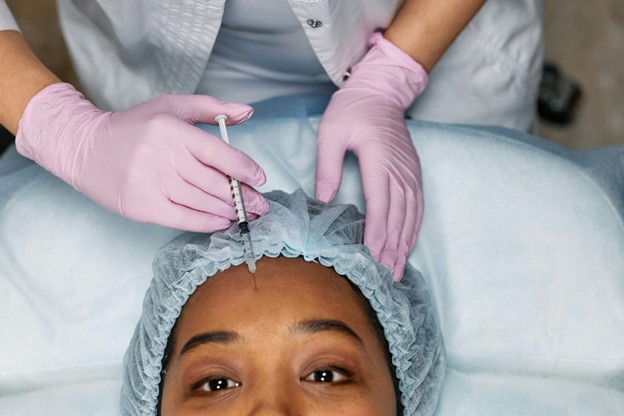
    Dermal fillers and neuromodulators like Botox can provide subtle lifting effects, smoothing wrinkles and refreshing your appearance in under an hour. These treatments are:

    • Convenient, with no recovery time.
    • Affordable compared to surgical options.
    • Perfect for maintaining results between facelifts.

    Energy-Based Rejuvenation

    Technologies like ultrasound and radiofrequency are making it easier than ever to tighten skin and stimulate collagen production. These energy-based devices:

    • Work without incisions.
    • Deliver noticeable improvements over time.
    • Fit seamlessly into a busy lifestyle.

    Nanotechnology: The Tiny Hero of Cosmetic Surgery

    Nanotechnology is revolutionizing how facelifts are performed and how patients recover. Think of it as science working on a microscopic level to make everything safer and more effective.

    Faster Healing, Fewer Scars

    Nanostructured materials are transforming wound care by promoting faster, cleaner healing. These advancements reduce scarring and help patients get back to their lives sooner.

    Smart Medicine Delivery

    Targeted drug delivery systems ensure medications go directly to the areas where they’re needed most. This reduces side effects and speeds up recovery, making the entire process smoother for patients.

    Technology Making Facelifts More Accessible

    Telemedicine for a Global Reach

    Consulting with a top surgeon used to mean traveling long distances. Now, virtual consultations make expert advice available to anyone, anywhere. Whether you’re across town or across the globe, telemedicine lets you:

    • Discuss your goals from the comfort of home.
    • Save time and money on travel.
    • Build a relationship with your surgeon before ever stepping into the clinic.

    Wearable Tech for Recovery

    Post-surgery care just got easier. Wearable devices can monitor your healing progress in real-time, tracking everything from swelling to temperature. This level of insight ensures:

    • Early detection of potential issues.
    • Personalized care based on your recovery data.

    A Future That’s Bright and Inclusive

    As facelifts become safer and more accessible, they’re also becoming a possibility for more people. The ongoing development of affordable, patient-friendly technologies means that looking and feeling your best is no longer reserved for a select few.

    From advanced surgical techniques to non-invasive options, the world of cosmetic surgery is brimming with possibilities. These innovations aren’t just about aesthetics—they’re about empowering people to make confident choices that align with their goals. With collaboration between surgeons, scientists, and technologists, the future of facelifts is poised to be even more exciting, inclusive, and life-changing.

    So, whether you’re considering a subtle refresh or a full transformation, rest assured that modern cosmetic surgery is designed with you in mind—safer, smarter, and more accessible than ever before.

  • Emerging Technologies in Hyperhidrosis Management: What’s on the Horizon?

    Imagine constant sweat trickling down your face, staining your shirts, and leaving you feeling anxious – this personal nightmare unfolds for multitudes around the globe. Daily life can be a struggle for those who experience more intense symptoms, while others might not even break stride. Alongside rapid technological progress, resources like sweaty-palms.com provide practical guidance on managing hyperhidrosis, offering both lifestyle and treatment insights to those affected. Imagine a life free from excessive sweating – it’s becoming a real possibility. Here, we spotlight the pioneering tech paving the way.

    Understanding Hyperhidrosis

    Hyperhidrosis can be either primary, occurring without an underlying condition, or secondary, linked to issues like hyperthyroidism or diabetes. Day-to-day living becomes a hustle when you’re dealing with a condition that brings unwelcome guests like oily skin, smelly feet, and sweaty hands – and that’s just the beginning. Excessive sweating is no longer the debilitating curse it once was, now that cutting-edge treatments have come to the rescue.

    Non-Invasive Treatment Innovations

    Recent non-invasive treatments have transformed the management of hyperhidrosis. In a groundbreaking departure from traditional surgical procedures, these pioneering methods prioritize rapid recovery. The end result? Patients can jumpstart their healing process and get back to their lives in no time.

    1. Microwave-Based Treatments

    Microwave thermolysis, a significant innovation, targets sweat glands with controlled microwave energy. Devices like miraDry reduce underarm sweating by destroying the sweat glands. Considering the minimally invasive nature and strong performance of this treatment, it’s little surprise that so many individuals afflicted with excessive underarm sweat have found new hope in its ability to deliver sustained relief.

    2. Iontophoresis for Hand and Foot Sweating

    For those fighting hyperhidrosis in their palms and soles, iontophoresis is a welcome alternative – a pain-free solution that’s gaining traction fast. By sending a gentle buzz of electricity through the skin, this approach can halt sweat production in the hands and feet. Instead of surgical interventions, you can rely on a regular treatment routine to address localized sweat concerns and achieve long-term results.

    3. Botulinum Toxin Injections

    Botox injections have expanded beyond cosmetic use to treat hyperhidrosis. Through its nerve-signal-blocking mechanism, Botox tackles sweat production head-on, offering a refreshingly calm respite from this persistent problem. Six months to a year – that’s how long this treatment can keep symptoms at bay, making it an attractive option for those hesitant to commit to a long-term solution.

    Advances in Medication

    New medications are emerging that target the causes of hyperhidrosis more precisely. On the upside, both oral medications and creams you apply directly to the skin are showing marked improvement in two crucial areas: they’re working better, and they’re safer.

    1. Topical Anticholinergics

    Recent developments in topical treatments, such as glycopyrronium tosylate, provide targeted control over sweat production. To regain control over excessive sweating, anticholinergics get to work by curbing the nerve signals that trigger sweat glands, all while keeping unwanted side effects at bay.

    2. Oral Medications

    Oral medications for hyperhidrosis, including anticholinergics and beta-blockers, are also evolving. What if these treatments could be shrunk down to just their potent, therapeutic essence? That’s the goal driving scientists as they strive to develop gentler, more precise remedies. Excessive sweating that affects multiple areas of the body may soon have new hope in the form of oral medications.

    Surgical Options: Progress and Refinements

    Surgical treatments, while often a last resort, continue to evolve. With enhanced procedures in place, people struggling with severe hyperhidrosis can now look forward to fewer complications and better results.

    1. Endoscopic Thoracic Sympathectomy (ETS)

    ETS remains an option for severe hyperhidrosis, particularly for hand sweating. One major concern about this procedure has always been the potential for massive sweat production elsewhere – thankfully, recent advances have lessened this likelihood. This new surgical approach has become the gold standard, minimizing risks while maximizing effectiveness.

    2. Localized Sweat Gland Removal

    New techniques for localized sweat gland removal are also making surgery more accessible. Procedures like suction curettage, similar to liposuction, focus on removing sweat glands in the underarms. Say goodbye to the shame of underarm sweating with these refined approaches, engineered to reduce scarring and downtime.

    Wearable Technology: The Future of Hyperhidrosis Management

    For those tormented by excessive sweating, wearable technology might just be the beacon of hope they’ve been waiting for. A future where social situations don’t invoke anxiety attacks is finally within reach. With excess sweat becoming a daily worry, people can turn to innovative textiles and cooling devices that keep sweat at bay without needing medical intervention.

    1. Smart Fabrics

    Sweat-absorbing fabrics come to the rescue for those who fret about perspiring excessively, providing a sensible solution to a sometimes embarrassing problem. These smart fabrics create a microclimate that mirrors your body’s ideal temperature, allowing you to cool down or heat up naturally – no sweating required. As scientists continue to explore new possibilities, hyperhidrosis sufferers may soon have an unexpected ally in these cutting-edge fabrics.

    2. Personal Cooling Devices

    Wearable cooling devices that target specific areas prone to sweating are another promising technology. Body temperature regulation is what these devices do best – the result? You don’t get overheated and sweaty as easily. Hyperhidrosis sufferers may soon find a simplistic, stress-free way to tackle their symptoms thanks to these emerging solutions.

    Toward Personalized Treatment

    As the understanding of hyperhidrosis improves, treatment is moving toward more personalized approaches. Imagine being able to design a treatment strategy that zeroes in on your specific genetic traits and biological characteristics – it may become a reality soon. Wearable devices equipped with biofeedback technology could track sweat patterns, allowing for more precise treatment adjustments over time.

    Conclusion: The Future of Hyperhidrosis Treatment

    Advances in technology are rewriting the rules for treating excessive sweating. Everyone’s searching for a fix to sweating issues. That’s why experts are going all out to develop innovative treatments that are as clever as they are discreet, along with next-gen medications and ultra-smart wearables that’ll make it all seem like a bad memory. Soon, hyperhidrosis won’t hold anyone back. New technology ushers in a new era of optimism, promising targeted solutions that actually get it – and get to the heart of what sufferers face every day.

  • How Outsourced IT Services Can Empower Nonprofit Organizations

    How Outsourced IT Services Can Empower Nonprofit Organizations

    In today’s technology-driven landscape, nonprofit organizations encounter unique operational challenges. Budget constraints, limited staff, and growing demands make it difficult to manage IT infrastructure effectively. Outsourcing IT services provides a strategic solution, offering expert technical support, enhanced security, and improved efficiency, all while allowing nonprofits to focus on their core mission.

    1. Cost-Effective IT Solutions

    Outsourcing IT services delivers significant cost savings for budget-conscious nonprofits. Building an in-house IT team is resource-intensive, requiring investments in:

    • Recruitment and training
    • Employee benefits
    • Hardware and software purchases
    • Ongoing professional development

    Outsourcing eliminates these overhead costs, allowing nonprofits to access skilled IT professionals as needed. This predictable, scalable approach ensures that IT spending aligns with the organization’s budget, freeing resources for mission-critical initiatives.

    2. Access to Expertise and Technology

    Nonprofits often lack the in-house expertise to manage complex IT environments. Outsourcing offers access to a diverse pool of experts proficient in:

    • Cloud computing
    • Cybersecurity
    • Data management
    • Software integration

    These professionals stay up-to-date with the latest technologies and best practices. They implement tailored solutions that help nonprofits remain competitive and operationally sound, without the need for internal expertise development. Additionally, nonprofits looking to enhance their IT infrastructure without managing it in-house can explore specialized services from providers like ccbtechnology.com. These services offer tailored IT solutions designed specifically to meet the unique needs of nonprofit organizations, ensuring smooth operations and mission alignment

    3. Focus on Core Mission

    Managing IT operations can divert attention from a nonprofit’s core mission. By outsourcing IT functions, nonprofits can:

    • Eliminate the burden of system troubleshooting and maintenance
    • Reduce time spent on cybersecurity and data management
    • Concentrate on service delivery and mission-driven activities

    Outsourcing ensures that IT operations are professionally managed, allowing nonprofits to stay mission-focused without technical distractions.

    4. Enhanced Data Security and Compliance

    Nonprofits often handle sensitive data related to donors and beneficiaries, making cybersecurity a top priority. Outsourced IT providers specialize in:

    • Implementing robust encryption and firewalls
    • Ensuring compliance with industry regulations
    • Developing disaster recovery plans

    These measures protect critical data and minimize risks of cyberattacks, enhancing the organization’s reputation and trustworthiness.

    5. Scalability and Flexibility

    Nonprofit IT needs often fluctuate based on:

    • Fundraising campaigns
    • Program launches
    • Seasonal demands

    Outsourced IT services provide the flexibility to scale resources up or down as needed. This adaptability ensures that nonprofits receive appropriate IT support without the cost or rigidity of an in-house team.

    6. Increased Operational Efficiency

    Outsourcing IT services improves operational efficiency by offering:

    • Proactive system monitoring and maintenance
    • Resolution of potential issues before they escalate
    • Streamlined IT processes for smoother operations

    Outsourced providers use advanced tools like automation and remote management to further enhance productivity and reduce downtime.

    7. Strategic IT Planning

    Beyond daily IT support, outsourcing partners offer strategic planning services. This includes:

    • Long-term IT roadmap development
    • Aligning technology investments with organizational goals
    • Identifying innovative solutions to optimize operations

    This strategic guidance helps nonprofits plan for future growth and adopt technologies that enhance mission delivery.

    8. Improved Collaboration and Communication

    Outsourced IT services also foster improved collaboration and communication within nonprofit organizations. By integrating cloud-based tools and collaboration platforms, outsourced IT providers can help teams work more efficiently, regardless of geographic location. These solutions include:

    • Real-time document sharing and editing
    • Project management tools
    • Video conferencing and messaging platforms

    These technologies enhance teamwork by providing accessible, streamlined communication channels. Nonprofits with dispersed teams or remote workers particularly benefit from these solutions, ensuring that collaboration happens seamlessly and efficiently. Additionally, centralized systems reduce the complexity of managing communications across multiple tools, leading to better workflow and reduced operational silos.

    9. Vendor Management and IT Support

    Managing relationships with multiple IT vendors can be a challenging and time-consuming process. Outsourced IT providers offer vendor management services that streamline this process, handling tasks such as:

    • Negotiating contracts
    • Managing service level agreements (SLAs)
    • Coordinating with software and hardware vendors

    This centralized approach reduces the administrative burden on nonprofit staff, ensuring that they have the best solutions in place without the hassle of managing each vendor independently. Furthermore, outsourced providers offer 24/7 IT support, ensuring that any technical issues are promptly resolved, minimizing downtime and disruptions.

    10. Data-Driven Decision Making

    Outsourced IT providers can also assist nonprofits in leveraging data for more informed decision-making. By implementing advanced data analytics tools, these providers help organizations:

    • Track program outcomes and measure impact
    • Analyze donor behavior and optimize fundraising efforts
    • Monitor operational performance for continuous improvement

    Data-driven insights allow nonprofits to make strategic adjustments, improving efficiency and enhancing overall mission effectiveness. These tools also enable better resource allocation, ensuring that nonprofits can maximize their impact with the available resources.

    Conclusion

    Outsourcing IT services empowers nonprofit organizations by providing cost-effective, expert-driven solutions. It enhances security, boosts efficiency, and allows nonprofits to focus on their mission. With scalable support, proactive IT management, and strategic consulting, outsourcing is a critical tool for nonprofits looking to thrive in a technology-driven world.

  • The Role of PPC Advertising in Enhancing Patient Acquisition for Plastic Surgeons

    The Role of PPC Advertising in Enhancing Patient Acquisition for Plastic Surgeons

    In plastic surgery, where every scalpel stroke can make or break a practice, surgeons must work doubly hard to attract and keep patients. Two key digital marketing players, PPC advertising and its pay-per-click mechanism, work in tandem to help you attract, engage, and convert potential clients into loyal customers. What if you could create a consistent stream of new patients for your plastic surgery practice? Get ready to supercharge your business with the expert PPC know-how that magnetically draws in your dream clients.

    Understanding PPC Advertising

    PPC advertising is a cost-effective method that enables your practice to appear prominently in search engine results. You pay only when someone clicks on your ad, ensuring your budget is spent on actual leads rather than mere exposure. This model is particularly beneficial for plastic surgeons, as it targets individuals actively seeking your services.

    Key Benefits of PPC Advertising:

    • Targeted Reach: PPC allows you to target specific keywords related to plastic surgery, ensuring your ads reach possible patients who are already interested in your services.
    • Cost Control: With PPC, you set your budget and can adjust it based on performance, providing flexibility and control over your advertising spend.
    • Immediate Results: Unlike organic SEO, which can take months to show results, PPC campaigns can generate immediate traffic and leads.

    Effective Keyword Research

    Successful PPC campaigns hinge on thorough keyword research. Identify terms that prospective patients are likely to use when searching for plastic surgery services. Consider using a mix of specific and general keywords, such as “rhinoplasty,” “breast augmentation,” and “facelift near me.” Tools like Google Keyword Planner can help identify high-volume, low-competition keywords.

    Tips for Keyword Research:

    • Focus on Intent: Choose keywords that indicate a strong intent to undergo a procedure. For example, “best plastic surgeon for tummy tuck” signals a ready-to-act patient.
    • Localize Your Keywords: Including geographic modifiers like “in [city]” can help attract local patients, crucial for practices that rely on in-person consultations.
    • Analyze Competitor Keywords: Tools like SEMrush can provide insights into keywords your competitors are targeting, allowing you to refine your strategy.

    Crafting Compelling Ad Copy

    Your ad copy should be compelling, clear, and concise. Highlight the unique aspects of your practice, such as board-certified surgeons, state-of-the-art facilities, and exceptional patient care. Incorporate strong calls-to-action (CTAs) that encourage users to click, such as “Book a Free Consultation” or “View Before & After Photos.”

    Elements of Effective Ad Copy:

    • Attention-Grabbing Headlines: Use headlines that directly address the patient’s needs or concerns. For example, “Transform Your Look with Expert Rhinoplasty.”
    • Benefit-Oriented Descriptions: Clearly explain the benefits of choosing your practice, such as “Get Natural-Looking Results from Experienced Surgeons.”
    • Localized Content: Mention your location to attract local patients and emphasize your availability for in-person consultations.

    Utilizing Social Media Ads

    Reaching a wider crowd has become synonymous with having a strong social media presence. Facebook, Instagram, and LinkedIn don’t just dabble in targeting options – they offer an embarrassment of riches, letting you build intricate profiles of potential customers based on the who, what, and how of their online lives. Your practice’s triumphs can shine on social media, where authentic patient reviews and dramatic before-and-after photos foster a sense of connection with potential patients.

    Strategies for Social Media Advertising:

    • Visual Appeal: Use high-quality videos and images to highlight the transformative results of your procedures.
    • Storytelling: Craft stories around patient journeys and experiences to engage your audience emotionally.
    • Interactive Content: Utilize features like polls, quizzes, and Q&A sessions to engage potential patients and address their concerns.

    The Power of Retargeting

    Not every potential patient will book a consultation on their first visit to your website. Retargeting campaigns help keep your practice top-of-mind by displaying your very own ads to users who have previously visited your site. This strategy significantly increases the chances of converting these visitors into patients.

    Retargeting Tips:

    • Segment Your Audience: Create different retargeting lists based on user behavior, such as page visits or time spent on site.
    • Tailor Your Ads: Customize your retargeting ads to address specific stages of the patient journey. For example, show informational content to new visitors and promotional offers to returning users.
    • Frequency Capping: Avoid ad fatigue by setting frequency caps, ensuring your ads are seen just enough to remain effective without becoming intrusive.

    Smart Budget Allocation

    Effective budget management is crucial for maximizing the ROI of your PPC campaigns. Allocate your budget across various platforms and campaign types, continuously monitoring and adjusting based on performance.

    Budget Management Strategies:

    • Test and Optimize: Start with a broad approach, then narrow down based on the best-performing ads and keywords.
    • Allocate for High-Performing Campaigns: Increase budgets for campaigns that consistently deliver high ROI.
    • Seasonal Adjustments: Adjust your budget to account for seasonal trends in plastic surgery demand, such as an increase in procedures before summer or holiday seasons.

    Conclusion: Elevate Your Practice with PPC Advertising

    Pay-per-click advertising can bring a healthy dose of new patients to a plastic surgeon’s doorstep, and fast. Effectively capturing the attention of potential patients requires a holistic approach – think comprehensive keyword research, compelling ad copy that speaks to their needs, and a proactive social media and retargeting strategy that seals the deal. The secret to success in plastic surgery lies in mastering the right strategies and being willing to make adjustments on the fly – with this approach, you’ll be unstoppable.

  • How to Fill Out a Money Order Step-By-Step

    How to Fill Out a Money Order Step-By-Step

    Money orders are a reliable and secure means of sending money, especially when alternatives such as cash, checks, or digital payments are unsuitable. They are widely accepted and can be obtained from various locations, including banks, post offices, and retail stores. This guide provides a detailed, step-by-step procedure for correctly filling out a money order.

    When to Use a Money Order

    Money orders are particularly useful in the following situations:

    • When paying an individual or entity that does not accept checks or digital payments.
    • When sending money securely through the mail.
    • When paying bills without disclosing bank account details.
    • When ensuring that the recipient receives the funds securely, as money orders require identification for cashing.

    Where to Get a Money Order

    Money orders can be purchased from:

    • Banks and Credit Unions: These institutions offer reliable service but may charge higher fees.
    • Post Offices: USPS money orders are widely accepted and reasonably priced. Understanding how to track your money order is crucial to ensure its status and delivery.
    • Retailers and Grocers: Locations such as Walmart and CVS offer convenient access and extended hours. They typically accept MoneyGram or Western Union money orders.

    Fees for money orders vary. Some locations, like Walmart, charge as little as $1, while the USPS charges between $2.00 and $2.90, depending on the amount. Money orders generally have a limit of $1,000 each, but multiple orders can be purchased if necessary.

    How to Fill Out a Money Order

    Follow these steps to fill out a money order correctly:

    1. Fill in the Name of the Recipient

    Write the recipient’s name in the “Pay to the Order of” field. This ensures that only the named individual or business can cash the money order. Accuracy in this step is crucial to avoid issues with cashing.

    2. Add Your Address to the Purchaser Section

    Enter your name and address in the “Purchaser” or “From” section. This information is important for tracking and for any potential refunds. Some money orders may also have a space for the recipient’s address.

    3. Use the Memo Field

    The memo field is where you can include additional information about the payment. This could be an account number if you are paying a bill or a note to the recipient to clarify the purpose of the payment.

    4. Sign Your Name in the Purchaser’s Section

    Sign the money order in the designated space. This step is essential as it validates the money order. Do not sign the back of the money order; this space is for the recipient’s endorsement.

    5. Keep the Receipt for Your Records

    Detach the receipt portion of the money order and keep it safe. The receipt contains the money order’s tracking number, which you can use to verify if the order has been cashed. It is also necessary for any cancellation or refund requests.

    How to Deliver a Money Order

    Once the money order is filled out and signed, you can:

    • Hand Deliver: Give it directly to the recipient.
    • Mail: If mailing, ensure you use a secure method to avoid loss or theft.

    Advantages and Disadvantages of Money Orders

    Pros

    • Accessibility: Available at various locations.
    • Security: Only the recipient can cash it, reducing the risk of theft.
    • No Bank Account Needed: Suitable for individuals without a checking account.

    Cons

    • Amount Limit: Limited to $1,000 per money order.
    • Fees: Small fee required for purchase.
    • Refund Time: Can take up to 30 days or more for a refund if lost or canceled.

    How to Cancel or Replace a Money Order

    If you need to cancel or replace a money order:

    1. Contact the issuer immediately.
    2. Provide your receipt and complete a cancellation request form.
    3. Pay the cancellation fee and decide whether you want a replacement money order or a cash refund.

    Frequently Asked Questions

    Whose Address Do You Put on a Money Order?

    Both your address and, if required, the recipient’s address should be included.

    Do You Have to Sign a Money Order?

    Yes, your signature is required on the front of the money order.

    What Happens If You Fill Out a Money Order Wrong?

    If you make an error, it is best to request a refund or a replacement from the issuer. This process can take up to 30 days.

    Can a Blank Money Order Be Cashed?

    Yes, if someone finds a blank money order with a specified value, they can fill it out and cash it. Therefore, it is crucial to complete the money order immediately upon purchase.

    Can Anyone Cash a Money Order?

    Only the named payee can cash the money order, and they must provide valid identification.

    Conclusion

    Money orders are a secure and versatile method for sending money. By following the steps outlined above, you can ensure your money order is filled out correctly and delivered safely to the recipient. Whether you are paying bills, sending money through the mail, or making a large purchase, money orders provide a reliable solution for your financial transactions.

  • How Recent Technological Advances Are Shaping the Future of Cosmetic Veneers

    How Recent Technological Advances Are Shaping the Future of Cosmetic Veneers

    Revolutionary strides in cosmetic dentistry are overturning traditional notions of a perfect smile, embracing instead a tailored vision of facial harmony. Breakthroughs in contemporary veneer design have handed us a double win: not only do they elevate the appearance of our smiles, but they also nurture healthier teeth and gums in the process. What was once just a quick beauty fix is now a sophisticated dental solution – all thanks to the rapid pace of technological progress.

    Evolution of Veneer Materials: Enhancing Precision and Durability

    The materials used in cosmetic veneers have significantly progressed, moving from traditional porcelain to advanced, high-performance alternatives. Modern veneers now incorporate materials such as lithium disilicate and zirconia, known for their superior strength, durability, and translucency. For a dazzling smile that looks and feels authentic, these materials are a game-changer – expertly replicating the subtle nuances of natural teeth for a beautiful, enduring result. The latest innovations in porcelain veneers have further enhanced these materials’ capacity to not only mimic but also strengthen natural teeth, providing a perfect blend of aesthetics and durability.

    Advances in nanotechnology have driven innovation in these materials, yielding veneers that are remarkably thin yet incredibly strong. Get ready for a more gentle approach to tooth prep – this innovation minimizes the amount of natural tooth that needs to be removed. You get a surface that is at once beautiful and supremely functional, boasting a rich feel that perfectly matches its enhanced capability.

    Digital Smile Design: Precision in Personalization

    Digital Smile Design (DSD) represents a significant technological advancement in cosmetic dentistry. Utilizing advanced imaging software, DSD creates a detailed, three-dimensional model of the patient’s oral structure. Using this model, clinicians can craft veneers that don’t just complement a patient’s facial features, but become an extension of them – a blend of art and science that culminates in a harmonious fusion of lip shape, gum color, and tooth alignment.

    This tech actually lets patients play a role in shaping the design from the get-go. The future of healthcare is visual. With our virtual representation, patients can see how different options might play out, ask questions, and make decisions that align with their goals. This meticulous attention to individual needs paves the way for a visually stunning, emotionally resonant result that truly reflects the patient’s personality.

    3D Printing: Advancing Efficiency and Customization

    With 3D printing on the scene, the production of cosmetic veneers has become faster, more precise, and utterly transformed. Traditionally, veneer fabrication is a time-intensive process, but 3D printing significantly reduces production time.

    Precise dental modeling begins with high-resolution scans of the patient’s teeth, capturing every detail to craft veneers that fit like a glove, reducing the need for future adjustments. Imagine veneers that blend in so perfectly, you can’t tell where your natural teeth end and the enhancements begin – that’s what this technology makes possible, with customizable texture and shade matching. From here on out, things speed up: we’re talking more accurate results, better-looking outcomes, and a far more efficient treatment experience.

    Biocompatible and Eco-Friendly Veneers: Sustainable Innovations

    In response to increasing demand for environmentally conscious products, the dental industry has developed biocompatible and eco-friendly veneer options. From sustainable sources like bamboo forests to innovative plant-based resins, we meticulously select materials for our veneers that simultaneously promote body safety and environmental stewardship.

    Green veneers bring all the benefits of traditional ones, plus the planet-friendly advantage. This environmentally conscious dental care option resonates with patients who prioritize the health of our planet alongside their own oral health.

    Smart Veneers: Integrating Technology with Oral Health

    The incorporation of smart technology into cosmetic veneers is an emerging trend with significant potential. Built into smart veneers are tiny sensors that track your mouth’s vital signs, from heat and acidity levels to the presence of unwelcome bacteria. Oral health data beams directly from these sensors to your phone, letting you keep tabs on your teeth and gums in real-time.

    Imagine having a dental “early warning system” that alerts dentists to potential issues like tooth decay or gum disease before they become major headaches for patients. That’s exactly what this technology offers. Essentially, smart veneers act as your teeth’s own personal warning system, enabling you to respond quickly to emerging issues and steer clear of more complex, time-consuming treatments that can be stressful and expensive.

    Artistic Expressions: Expanding Customization Options

    The customization of veneers has expanded beyond conventional aesthetic goals, with patients increasingly opting for veneers that reflect personal style through subtle patterns, textures, or custom designs. What’s great about this trend is that it lets your personality shine through while keeping your smile beautifully, well, you.

    In a true marriage of art and technology, laser engraving and hand-painting come together to produce veneers that quietly, confidently achieve their dual purpose. A dental aesthetic approach that’s all about you – that’s what patients love about this customizable option.

    Virtual Try-Ons: Enhancing Decision-Making

    Virtual try-on technology allows patients to preview different veneer styles and designs using augmented reality. Picture this: your teeth, revamped with virtual versions of different veneer styles, showing you exactly how you will look with a brand-new grin.

    Say goodbye to uncertainty – this interactive tool gives patients a photorealistic sneak peek at what they’ll look like with different veneers, giving them the confidence to make an informed choice. With a clear picture of what’s to come, patients can breathe a sigh of relief, feeling more secure in their choice and, in turn, more pleased with the final outcome.

    Conclusion: The Impact of Technological Advances on Cosmetic Veneers

    From flawed to flawless, the cutting-edge of cosmetic dentistry is helping people alter their smiles for the better, one refinement at a time. Breakthrough materials that go toe-to-toe with nature’s extremes – and super-smart features engineered right in – are reshaping the face of veneers. Making inroads into mainstream appeal, now these ultra-high-performance wonders answer the everyday user’s needs, and personal preferences to boot. Whether for minor enhancements or complete smile makeovers, the future of cosmetic veneers is poised to deliver results that are not only aesthetically superior but also tailored to the individual needs and preferences of patients. As technology and expertise converge, cosmetic dentistry is freed to be more exacting, more individualized, and more eco-conscious than ever, turning out flawlessly beautiful smiles that make a lasting impression.

  • When to Replace Gutters: 5 Key Signs

    When to Replace Gutters: 5 Key Signs

    Introduction

    Gutter systems play a pivotal role in safeguarding your home from the destructive impact of water. Gutters work hard to channel rainwater away from critical parts of your house, like the walls, windows, doors, and the very foundation that holds it all up. Cracks, splits, leaks, overflowing, and water damage show that replacing old, worn gutters should happen before further exterior harm.

    1. Cracks or Splits

    Even seemingly inconsequential cracks within your gutter system can swiftly evolve into substantial problems. The ramifications of neglecting these fractures are twofold: it not only leads to further damage to the gutters themselves but can also extend to compromising the integrity of the fascia boards, the shingles situated above the gutter, and even the foundation beneath. Therefore, if you encounter any discernible cracks or splits, it serves as a clear-cut indication that a gutter replacement should be on your radar.

    2. Peeling Paint and Rust

    The coating on your gutter serves as a protective barrier designed to withstand the rigors of seasonal wear and tear. Should you discern peeling paint or the presence of orange flecks, it’s an unmistakable sign that water has been persistently present within the system. If you spot pools of water or mildew, it’s a red flag that the gutters might be clogged up, or worse, there could be some serious structural problems at play.

    3. Pools of Water or Mildew

    The primary function of gutters is to expertly direct water away from your home’s foundation. The emergence of standing water or the appearance of mildew in proximity to your foundation is indicative of a suboptimal performance by your gutter system. The causative factors behind this could range from a mere clog in the system to more intricate defects within the gutter structure itself. Irrespective of the root cause, this issue has the potential to catalyze costly foundation repair endeavors.

    4. Water Damage Beneath the Gutters

    Conducting periodic inspections of your gutters during rainless, sunny intervals is an imperative practice. The detection of water damage or visible markings underneath the gutters is an alarming red flag. It signifies that water is escaping from the gutter system, thus jeopardizing the soffit and fascia board integrity.

    5. Sagging or Detachment

    A conspicuous manifestation of gutter system complications is the occurrence of sagging gutters or their detachment from your residence. When your gutters are swamped with water, they’re put under immense pressure and start to buckle. Sagging gutters not only warrant significant expenditures for rectification but can also be indicative of a mismatch between the gutter system and your home’s requirements. This may be due to inefficient drainage or obstructions caused by debris accumulation.

    Importance of Gutters

    Gutters function as your home’s primary line of defense against adverse weather conditions. Their role in channelling rainwater away from your property, preserving its aesthetic appeal, and preventing potential structural damage cannot be overstated. However, it’s essential to acknowledge that gutters are not impervious to wear and tear.

    Gutter Lifespan

    The longevity of galvanized steel and aluminum gutters typically spans around two decades, whereas copper counterparts boast a lifespan of up to 50 years. Regular maintenance, encompassing biannual cleaning and the periodic application of sealants, can further extend their operational life.

    Gutter Guards

    Putting gutter guards up helps keep leaves and stuff out, so you don’t have as much crap to clean out later. It’s crucial to recognize that when your gutters fail, it’s not just a hit to curb appeal or building integrity. Gutter issues can undermine foundations and landscapes. Even seemingly minor obstructions or ice dams can precipitate a cascade of problems. Hence, the incorporation of visual gutter inspections into your routine is a prudent practice.

    Prompt Action is Key

    To ensure the prolonged functionality of your gutter system and mitigate the risk of exorbitant repair costs, prompt action is imperative when any signs of damage manifest. Whether it entails realigning gutters to ensure proper pitch, rectifying cracks, or replacing compromised sections, proactivity is the key to preventing further deterioration.

    Ideal Timing for Gutter Replacement

    Regarding the optimal timing for gutter replacement, spring stands as the most conducive season. Dry, warm weather sets the perfect stage for a smooth gutter installation process. Nevertheless, should urgency dictate, winter installations remain a feasible option, and the offseason may even present opportunities for securing a more favorable pricing structure.

    Conclusion

    So, let’s get this straight: your gutters are like the unsung heroes, shielding your house from nature’s curveballs—don’t take them for granted. Recognizing the telltale signs of gutter dysfunction and taking expedient action is paramount to sidestepping extensive and costly repair endeavors down the line. If you’re worried about your gutters, it’s smart to get in touch with experts who know their stuff—they can take a good look and help keep your home safe.

  • Is Learning Radiology a Good Career Path? Why or Why Not? 

    Is Learning Radiology a Good Career Path? Why or Why Not? 

    Medical testing in the health sector has seen remarkable improvements due to groundbreaking innovation, allowing practitioners to have numerous opportunities to showcase their skills. Even with this, attention to detail and the proper educational background are essential components for practitioners in this industry, which may cause setbacks for most. So how do you determine if learning radiology is right for you? Below are some pros and cons to help you make up your mind.

    Pros

    High Demand for Radiologists

    As previously stated, radiologists will often need the proper medical background, with experts required to be good at courses such as biology, organic chemistry, and physics. Since expertise in these areas is hard to come by, qualified radiologists are a bonus for any hospital, creating a high demand for this profession. This guarantees your job security, especially in a world with increased unemployment. Aspiring radiologists who may not have the proper training can still benefit from enrolment in the various radiology tech schools in MD, helping you stand a better chance for practicing your passion.

    Provides Ample Room for Innovation

    Due to the constant improvement of technology in the health sector, radiologists will often be the first to interact with new developments, allowing them to give input on various ways to improve multiple systems. Machine learning and AI-based systems may be designed to use data to improve people’s lives, but these will still need approval from radiologists. Tech-savvy radiologists can optimize this to enhance system features, creating niche opportunists for themselves in the innovation space.

    Offers flexibility

    Radiology is one of the most flexible careers, with experts able to work remotely and in-house. Since radiologists generally work with imaging tests and scans, these can be assessed remotely, allowing you to perform your work from your preferred location. Professionals can also utilize their skills in multiple medical areas of interest, helping you diversify your expertise.

    You Will Be the Go-To When Other Doctors Need Help

    While radiologists take up numerous behind-the-scenes work, their work is undoubtedly the most revered in any medical center. Doctors will first seek your opinion before proceeding with any major operation, making radiologists a vital part of the medical field.

    It Is Intellectually Challenging

    Radiology exposes you to a world of medical conditions, challenging various concepts in the medical field. Due to this, experts will often need to work with doctors in various medical areas, allowing for collaboration between different departments. This could be a good intellectual challenge, allowing radiologists to venture into previous untapped fields to further their expertise for intellectual fulfillment.

    Requires Little To No Patient Interaction

    Not all medical professionals are good in social spaces, making this an ideal alternative for introverted personnel. Unlike doctors and nurses, who spend a great deal of time dealing with patient concerns, radiologists have their space to themselves, with their work only requiring them to assess imaging scans and give reports. It also comes with fewer hours in hospitals, freeing up your time for your loved ones.

    Cons

    Constant Changes in the Tech-Field

    Radiology relies mainly on the tech industry, with system upgrades causing a complete overhaul of work operations. Due to this, you will need to keep up with multiple changes in innovations, as each will often dictate how well you perform your job in improving patient care.

    Additionally, the constant technological changes could pose challenges to job security, as efficient AI-based systems mean less need for radiologists. Smarter machines can quickly identify the root cause of various conditions while providing solutions for better care. While this is still not an urgent concern, it could reshape the medical field, putting numerous specialists out of work.

    It Involves a Lot of Behind the Scenes Care

    While this will not be a problem for introverted professionals, it may be a cause of concern for experts interested in follow-up work. Once you assess the scans, the results are handed over to the doctors, who proceed with the patient’s interactions. Due to this, doctors get recognition for most of your work, with radiologists rarely getting credit for their part in patient care.

    Limits Your Use of Medical Skills

    Since most of your time will be spent in the imaging field, most of your primary medical skills will be unutilized. This may be problematic for anyone interested in exploring other medical skills due to limited exposure to other areas of their training.

    Involves Repetitive Work

    Radiology duties will often be repetitive, with most professionals required to sit on their monitors all day long. This can be strenuous, with back-to-back shifts resulting in eye strain. Additionally, burnout is likely to set in, with similar tasks causing a lack of motivation.

    While no career is without its ups and downs, radiology provides good opportunities for those interested in this field. A few positives you can expect from this career path include the flexibility it offers, the room for innovation, and the minimal workload compared to other medical fields. It also comes with its downs, with repetitive work and constant changes being some examples of this. With this in mind, consider weighing the pros and cons before making your final decision.

  • Which is the best SEO tool used for indexing in Google? 

    Which is the best SEO tool used for indexing in Google? 

    SEO has gradually become a powerful tool for business growth. You can rely on it to boost brand credibility, maximize PPC campaigns, actualize content marketing, and gain a competitive edge. Google uses different SEO ranking factors, from on-page and off-page to local and technical ones, which can be daunting. Relying on an excellent SEO tool for indexing would be the best. Here are a few exceptional SEO tools used for indexing in Google.

    AHREFs

    Ahref is one of the most comprehensive SEO tools used for website auditing. According to experts from digitalspotlight, it is designed for tracking website use and performance, making it ideal for identifying marketing opportunities.

    This SEO tool offers in-depth insights into the technical aspects of your site through auditing. It tests speed, responsiveness, and site security. You’ll rely on it to crawl for crawl errors, SSL problems, slow-loading content, duplicate content, and broken links.

    Its excellent domain analysis abilities ensure you get a comprehensive overview of the quality of your domain. This feature checks the number of visitors to your site, the total keywords used, the number of external links, and traffic value.

    Ahrefs also offers excellent keyword research abilities, allowing you to search and rank keywords on your site. This tool collects keyword data from different search engines, making it easier for your site to rank highly across all search engines.

    Excellent linking is central to a high-ranking website. Fortunately, Ahrefs offers a reliable backlinking analysis, ensuring that you have healthy links. At the same time, you can use its site explorer feature for link-building. This feature informs you of the links acquired by competitors and the authority sites on particular subjects.

    Ahrefs allows you to track content ranking. Various filters are available, meaning you can rank per county, state, country, or globally. Its accessibility, friendly user interface, and affordability make Ahrefs a worthwhile choice.

    Pros

    • It allows you to work on multiple domains
    • Excellent backlink monitoring
    • Comprehensive competitor analysis

    Cons

    • It has a relatively smaller link index

    SEMrush

    SEMrush is an excellent SEO tool for tracking paid, social media-driven, or mobile traffic.

    This SEO tool has a built-in SEO technical audit tool, which has a comprehensive site health feature that provides insights into the overall technical performance of your site. This tool will also help confirm the site’s crawlability, indexing, backlinking, and internal linking. You will also have in-depth insights into the general performance of the website.

    The SEMrush audit tool will confirm your site’s loading speed, including the causes of lagging. For example, it could recommend changing your large HTML-sized pages to improve responsiveness. It could also suggest caching more of your CSS when necessary. Changing these elements contributes to increased loading speeds.

    SEMrush boasts a link-building tool that helps find prospecting links. That means you’ll effortlessly identify sites that want to link back to your website. In addition, this tool is designed to find keywords, link them, and help send out emails, meaning you do not have to leave the platform to execute some actions.

    SEMrush has a unified platform, meaning you’ll get all the tools that can significantly boost your SEO strategy. Its detailed SERP tool helps track a specific list of keywords, making it ideal for monitoring your SEO position changes on Google. You’ll set the keywords you want to track and automate the process for enhanced convenience.

    Pros

    • A diverse database
    • Multiple features
    • Extensive backlink and keyword metrics
    • Exceptional link-building abilities

    Cons

    • It could be somewhat pricey

    Moz

    Suppose you want an all-in-one SEO suite. Then, Moz will be your ultimate choice. This software guarantees insightful website analysis, ensuring that you stay competitive. You’ll rely on it to measure, evaluate, and monitor various on-site and off-site website elements. In addition, it is a powerful SEO tool that can significantly improve your digital marketing strategy.

    Its keyword research tool guarantees an in-depth analysis of top phrases and words used in the industry, ensuring that you optimize your content. In addition, this feature allows you to create, add, and manage keywords from a central point. It automatically prioritizes specific keywords depending on its analysis of search engines.

    This SEO tool also has the right link-building feature, allowing you to check the health of your backlinks. In this case, it becomes easy to evaluate the site’s domain authority, inbound links, and ranking keywords. You can access the link metrics to establish which site to link to, minimizing broken and unhealthy links that could jeopardize your search engine rankings.

    Further, Moz allows for page optimization. This feature allows you to optimize a particular keyword on a page, ensuring that it ranks high and independently on the search engines.

    Excellent indexing on Google is vital for better search engine ranking. Yet, you can only achieve this with the right SEO tools. The choices above are not exhaustive. Yet, they guarantee value for your money.

© Copyright 2011 – 2026 IJSRP Publications. All rights reserved.

ISSN: 2250-3153 | DOI: 10.29322/IJSRP