editor@ijsrp.org / ijsrp.editor@gmail.com
Subscribe Us Resources Join to Connect
IJSRP Logo

International Journal of Scientific and Research Publications

Author: Naomi Cook

  • Understanding the Factors That Shape Gender-Affirming Care Choices

    Understanding the Factors That Shape Gender-Affirming Care Choices

    Gender-affirming care is a personal and often layered journey. It is shaped by emotional, social, medical, and practical factors. Understanding what influences these choices can help individuals, families, and care providers navigate the process with clarity and compassion.

    Starting with Identity and Self-Awareness

    For many people, choosing gender-affirming care begins with understanding their own gender identity. This stage can look different for everyone.

    • Exploring identity: Some individuals know who they are from a young age. Others arrive at this understanding later. There is no right or wrong timeline.

    • Influence of family and culture: In some homes or communities, talking openly about gender can be difficult. This can affect when or how someone begins their journey.

    • Safe spaces: Supportive environments, such as online groups or school counselors, can make early stages of self-discovery feel less isolating.

    Finding the Right Providers

    Accessing care often depends on finding knowledgeable and affirming professionals. Having providers who respect and understand your experience can make a significant difference.

    • Affirming vs. neutral care: It is not just about medical knowledge. It is also about delivering care in a respectful and supportive way.

    • Location matters: In some areas, it can be hard to find specialized providers. Travel or virtual options may be necessary.

    • Wait times and requirements: Steps like mental health evaluations or letters of support can take time. Understanding these early helps avoid frustration.

    Exploring Medical Care Options

    Gender-affirming care is not one-size-fits-all. There are a range of medical and non-medical choices that people may consider, depending on what feels right for them.

    • Hormone therapy: For some, starting hormones is an important step. It can bring physical changes and emotional comfort.

    • Surgical options: These may include chest surgery, genital surgery, or procedures such as facial feminization surgery, which can help align facial features with gender identity. Each option offers a different form of affirmation, and individuals may choose the one that best fits their personal goals and comfort.

    • Supportive services: Voice therapy, laser hair removal, and other treatments can also be meaningful parts of someone’s transition.

    • Mental health care: Therapy can offer support at any stage. For many, it also helps with managing emotions or meeting readiness requirements.

    Navigating Legal and Administrative Processes

    Legal steps like changing a name or updating ID can be empowering, but they are also sometimes complex. Insurance policies, paperwork, and laws can influence the care timeline.

    • Name and gender marker updates: These changes can affect many areas of daily life, such as school, employment, and travel.

    • Health insurance coverage: Some plans support gender-affirming care. Others may deny coverage or require extensive documentation.

    • Workplace or school policies: Inclusive environments can ease the process. However, not everyone has access to these protections.

    The Role of Support Systems

    Support from family, friends, or chosen community members can ease the journey. Knowing that others stand with you makes a meaningful difference.

    • Youth and family support: For younger people, parental involvement often shapes access to care. Supportive guardians can open critical doors.

    • Chosen families: Some adults rely on close friends or community networks when family support is unavailable.

    • Peer experiences: Hearing from others who have gone through similar steps can help set realistic expectations and ease uncertainty.

    Timing, Readiness, and Practical Considerations

    Not everyone is ready at the same time. Delays might be due to personal, financial, or health reasons, and that is okay.

    • Life circumstances: Starting a job, moving, or studying can affect when someone feels ready to take certain steps.

    • Cost and planning: Even with insurance, travel, time off work, and recovery expenses must be considered.

    • Healing and recovery: Planning ahead for surgery recovery is important to ensure you have the support you need.

    Recognizing Intersectional Barriers

    Experiences with gender-affirming care are not the same for everyone. Factors like race, ability, income, and location can impact access and outcomes.

    • Bias in care: People of color may face additional challenges due to systemic bias or lack of cultural understanding.

    • Disability access: Clinics are not always designed to meet the needs of individuals with physical or cognitive disabilities.

    • Financial access: Without sufficient insurance or savings, many people delay or miss out on needed care.

    Safety, Visibility, and Public Climate

    Safety is a real concern for many individuals seeking care. The social and political environment often influences decisions about timing and visibility.

    • Privacy and protection: Some people limit changes to stay safe in environments that may not be supportive.

    • Changing laws: Legal shifts can affect care availability, especially for minors.

    • Advocacy and visibility: Some individuals choose to share their experiences or support others, helping drive change and increase understanding.

    Moving at Your Own Pace

    Gender-affirming care is not a checklist. It is a journey shaped by who you are and what you need, at a pace that makes sense for your life.

    Every path looks different. What matters is that the choices are informed, supported, and aligned with your values and well-being. Whether you are just beginning or well into your process, there is space for you to move forward with care that respects and affirms your identity.

    By understanding these factors, we help create a more inclusive and supportive system—one where care is built around the individual, not the barriers.

  • Advancements in Facial Structure Modification and Gender Identity Alignment

    Advancements in Facial Structure Modification and Gender Identity Alignment

    As gender-affirming medicine evolves, facial structure modification has become a vital part of aligning physical appearance with gender identity. Through a combination of surgical innovation, digital planning, and holistic care, patients today have more precise, safe, and confidence-building options than ever before.

    Below, we examine key challenges and practical solutions shaping this field—supported by real-world examples from modern clinical practice.

    1. Defining Goals with Greater Precision

    Challenge:
     Early surgical methods often relied on broad aesthetic standards that didn’t fully capture each patient’s gender identity goals. This sometimes led to outcomes that lacked individuality.

    Solution:
     Digital imaging, 3D modelling, and simulation technologies now allow clinicians to analyse facial proportions and plan procedures that complement identity expression. These innovations create a shared visual roadmap between patient and surgeon, improving accuracy and trust.

    Application:
     A Salt Lake City practice now integrates 3D scanning during consultations, allowing patients to preview results and adjust details before surgery. This has reduced revision requests and improved satisfaction.

    2. Enhancing Feminine Facial Features

    Challenge:
     For transgender women and transfeminine individuals, achieving softer, more feminine facial contours requires balancing surgical precision with natural harmony. Overcorrection or uniform templates can result in artificial outcomes.

    Solution:
     Facial feminization surgery (FFS) focuses on reshaping bone and soft tissue to create natural symmetry and proportion. Common procedures include:

    • Forehead and Brow Contouring: Reducing bone projection and repositioning the brow line for a softer look.

    • Rhinoplasty: Refining nasal structure with ultrasonic techniques that minimize tissue trauma.

    • Cheek Augmentation: Restoring volume and curvature through implants or fat grafting.

    • Chin and Jaw Reduction: Narrowing or rounding angular features to enhance balance and facial flow.

    These procedures are guided by digital imaging and anatomical mapping to ensure precision, consistency, and reduced healing time.

    Application:
     A Utah-based facial specialist uses endoscopic methods for forehead contouring, eliminating visible scars and shortening recovery by several weeks. Patients report more natural, proportional results that align with their gender presentation.

    3. Strengthening Masculine Facial Definition

    Challenge:
     For transgender men and non-binary individuals, achieving stronger, angular features without exaggeration remains complex.

    Solution:
     Facial masculinization surgery (FMS) employs custom 3D-printed implants, bone grafts, and jawline contouring for balanced enhancement. Digital design ensures consistency across all features, resulting in authentic masculine definition.

    Application:
     Clinics in Utah now fabricate patient-specific mandibular implants, providing durable, natural results while minimizing surgical adjustments post-procedure.

    4. Expanding Non-Surgical Gender-Affirming Options

    Challenge:
     Some individuals prefer non-invasive methods or wish to begin their journey gradually before pursuing surgery.

    Solution:
     Minimally invasive treatments, including dermal fillers, neuromodulators, and laser hair removal, offer gender-affirming refinements without downtime. Tailored combinations can feminize or masculinize the face based on contouring goals.

    Application:
     A MedSpa in Provo uses fillers to feminize cheek structure or strengthen jawlines for masculinization, allowing flexible adjustments over time.

    5. Integrating Psychological and Medical Support

    Challenge:
     Facial modification affects more than appearance—it influences confidence, identity, and mental health. Lack of coordinated care can hinder recovery and self-acceptance.

    Solution:
     Multidisciplinary care models bring together surgeons, endocrinologists, dermatologists, and mental health professionals. This ensures holistic support throughout consultation, surgery, and post-operative recovery.

    Application:
     A healthcare network in Utah established a gender-affirming clinic that offers mental health evaluations alongside surgical planning, improving emotional readiness and long-term satisfaction.

    6. Advancing Techniques for Natural Recovery

    Challenge:
     Recovery from facial procedures can be physically demanding, especially when multiple surgeries are combined.

    Solution:
     Surgeons now apply regenerative techniques, such as platelet-rich plasma (PRP) therapy and advanced wound care, to speed healing and reduce scarring. These methods improve circulation, support collagen repair, and shorten downtime.

    Application:
     A clinic in Ogden implemented PRP-assisted recovery for FFS patients, reducing swelling duration by nearly 30% and improving overall comfort during healing.

    7. Looking Ahead: Innovation and Inclusivity

    Challenge:
     As gender identity representation expands, medical systems must evolve to meet diverse needs with accessible and equitable care.

    Solution:
     The next wave of innovation focuses on:

    • AI-assisted surgical mapping for more predictable results.

    • Biodegradable implant materials that promote natural healing.

    • Virtual consultations to expand access to gender-affirming care in remote areas.

    Application:
     Research groups in Utah are testing predictive modelling software to anticipate healing patterns and aesthetic outcomes—bridging technology and empathy for better patient experiences.

    Conclusion

    Facial structure modification continues to advance as both a medical and social milestone. Through precise planning, modern techniques, and compassionate care, patients gain access to safer, more natural transformations that align with their identities. These developments go beyond aesthetics—they represent authenticity, confidence, and equality in every sense.

  • How Local Businesses Are Adapting to the Rising Demand for Reliable IT Support in Utah

    How Local Businesses Are Adapting to the Rising Demand for Reliable IT Support in Utah

    As Utah’s business landscape expands, companies of all sizes are rethinking how they approach technology. Reliable IT support has shifted from being optional to essential. Below, we outline the key challenges local businesses face and the solutions they are adopting to stay resilient and competitive.

    1. Scaling Without Overextending Resources

    Challenge: Growing businesses often find it difficult to scale IT operations without overspending on in-house teams.

    Solution: Many Utah companies are turning to providers like CR-T for managed IT services that scale with their growth. These services provide:

    • 24/7 monitoring and support to minimize risks
    • Cloud-based infrastructure that adapts as the business grows
    • Access to specialists without the cost of hiring full-time staff

    Application: A mid-sized retailer in Salt Lake City expanded its e-commerce platform with cloud-based IT support, avoiding the cost of building a large internal IT department.

    2. Addressing Rising Cybersecurity Threats

    Challenge: As businesses grow, so do their vulnerabilities. Cyberattacks can disrupt operations and damage trust.

    Solution: Partnering with IT providers who focus on proactive security has become a priority. Common measures include:

    • Advanced threat detection and monitoring
    • Regular vulnerability testing and patch management
    • Employee training to reduce phishing risks

    Application: A healthcare provider in Utah implemented continuous monitoring, significantly reducing the risk of data breaches while meeting strict patient data protection standards.

    3. Transitioning to Cloud-First Operations

    Challenge: Traditional systems often limit flexibility and increase overhead.

    Solution: Utah businesses are adopting cloud-first strategies to streamline collaboration and improve access. Cloud solutions enable:

    • Real-time data sharing across teams
    • Automatic backup and recovery systems
    • Secure client and customer portals

    Application: A professional services firm moved client communications and document sharing to a secure cloud platform, improving service delivery and client satisfaction.

    4. Reducing Costly Downtime

    Challenge: Even short periods of downtime can result in financial loss and reputational damage.

    Solution: Companies are investing in proactive IT support that identifies issues before they escalate. Key benefits include:

    • Continuous system monitoring
    • Predictive maintenance for hardware and software
    • Faster response times to disruptions

    Application: A local manufacturer used proactive IT support to prevent server crashes, ensuring uninterrupted operations during peak production periods.

    5. Meeting Compliance and Industry Standards

    Challenge: Businesses in regulated industries must balance growth with strict compliance requirements.

    Solution: IT providers with expertise in compliance frameworks help ensure systems remain aligned with regulations such as HIPAA, PCI DSS, or SOC 2.

    Application: A financial services company in Utah avoided penalties by working with IT consultants who tailored solutions to meet evolving regulatory standards.

    6. Supporting Remote and Hybrid Work

    Challenge: Shifts toward flexible work arrangements create new technical and security challenges.

    Solution: Businesses are implementing secure remote access tools and collaboration platforms. These tools support:

    • Smooth integration of devices for remote staff
    • Secure file sharing and communications
    • Reliable technical assistance for distributed teams

    Application: A nonprofit organization enabled hybrid work by using secure VPNs and cloud-based collaboration, maintaining productivity while expanding its talent pool statewide.

    7. Building Long-Term Partnerships with IT Providers

    Challenge: Treating IT as a short-term fix often leads to inefficiencies and recurring problems.

    Solution: Many businesses are forming strategic partnerships with IT providers to align technology with growth goals. Benefits include:

    • Customized IT roadmaps tied to business objectives
    • Regular reviews to implement emerging technologies early
    • Dedicated support tailored to long-term needs

    Application: A logistics company in Utah worked with its IT provider to map a three-year digital transformation plan, enabling smoother scaling and better client service.

    8. Leveraging Managed IT Services for Predictable Growth

    Challenge: Many local businesses struggle with unpredictable IT costs and limited in-house capacity to keep up with rapid changes in technology.

    Solution: Managed IT services provide a structured, cost-effective approach to maintaining and advancing IT systems. By outsourcing day-to-day operations, businesses can focus on strategy rather than troubleshooting. Core advantages include:

    • Fixed monthly costs that make budgeting more reliable
    • Access to a broad skill set across multiple IT disciplines
    • Continuous updates and patching to prevent vulnerabilities
    • Scalable services that grow with the organization’s needs

    Application: A nonprofit in Utah adopted managed IT services to streamline operations. Instead of worrying about unpredictable repair bills and staff training costs, the organization benefited from a single monthly plan that covered security monitoring, help desk support, and cloud management. This predictable model freed leadership to focus on fundraising and program development.

    Conclusion: Technology as a Growth Driver

    Reliable IT support is no longer just about fixing problems. For Utah businesses, it is about building resilience, protecting data, and enabling growth. By adopting scalable solutions, strengthening cybersecurity, moving to the cloud, and forming strategic partnerships, local organizations are ensuring that technology supports—not hinders—their progress.

  • How Urban Infrastructure Is Evolving to Meet Sydney’s Growing Parking Demands

    How Urban Infrastructure Is Evolving to Meet Sydney’s Growing Parking Demands

    As Sydney continues to grow, accommodating vehicles in a dense and vibrant urban landscape is becoming more important than ever. We’re seeing a thoughtful shift in how the city approaches parking—one that prioritises smarter, more integrated, and sustainable solutions in step with the evolving needs of our communities.

    Rethinking Traditional Parking in a Vertical City

    Sydney’s geography, rising land values, and growing population make traditional surface-level car parks increasingly inefficient. In response, urban planners and developers are turning to multi-level, automated parking systems that dramatically reduce the space required per vehicle. These modern systems use vertical stacking and mechanical lifts to retrieve cars, removing the need for ramps or wide driveways. The result is not only space-saving but also more environmentally responsible, with reduced concrete use and a smaller construction footprint.

    Smart Parking Technology Is Becoming the Norm

    With mobile technology integrated into nearly every part of our lives, parking is naturally following suit. Across Sydney, we’re seeing more car parks and public spaces equipped with IoT sensors, real-time monitoring tools, and app-based systems designed to make parking easier and faster. Providers like Secure Parking are leading this transformation, offering a network of digitally connected car parks that let drivers find, book, and pay for parking from their phones—saving time and reducing stress in busy areas.


    Here’s what that means for daily users:

    • Live updates on available spaces

    • Automated time tracking and enforcement

    • In-app payment options

    • Less time spent circling the block

    Suburbs like Chatswood and airport precincts such as Mascot are already embracing this transformation, contributing to a more connected, efficient commuting experience.

    Connecting Parking to the Bigger Picture

    Today, parking is about more than just finding a spot—it’s about creating seamless connections within our transport ecosystem. Many new developments are aligning parking facilities with:

    • Public transport routes

    • Shared mobility hubs (like e-scooters and rideshare)

    • EV charging stations

    • Accessible entry points for people with mobility needs

    This integrated approach encourages more sustainable travel habits and supports a city designed for convenience, not congestion. For instance, Park-and-Ride zones along Sydney Metro corridors now combine smart technology with better planning to reduce car use in the city centre.

    Electric Vehicle Charging Is No Longer Optional

    With electric vehicle adoption on the rise, infrastructure must evolve to support this shift. Across Sydney, we’re seeing more Level 2 and fast-charging stations in both public and private car parks. Many new builds now include EV-ready wiring in every bay to prepare for a fully electric future. Local councils and developers, supported by state government incentives, are working together to expand access to EV chargers—ensuring all commuters are supported, not just early adopters.

    Smarter Parking, Greener Outcomes

    Sustainability is central to Sydney’s urban evolution, and parking infrastructure plays a key role. Many newer projects now incorporate:

    • Permeable surfaces to reduce runoff and support groundwater

    • Solar-powered lighting and shade structures

    • Motion-sensitive LED lighting systems

    • Green rooftops and vertical gardens

    Neighbourhoods like Alexandria and Zetland are leading the way, blending functional design with greener building practices to improve local livability and reduce environmental impact.

    Doing More With Less Through Automation

    Historically, parking was often overbuilt to avoid shortfalls. Today, technology allows us to better match supply to actual demand. With real-time usage data and efficient automated systems, we can reduce the number of spaces built—freeing up land for housing, parks, or community amenities. This shift benefits everyone: it lowers construction and maintenance costs, reduces heat retention from asphalt, and supports a more walkable city.

    Sydney’s Data-Driven Parking Future

    At the core of this transformation is real-time data. Using sensor networks and analytics, the city can now adapt parking supply to meet shifting demand—especially during peak times or major events.
     In practice, this means:

    • Better traffic flow around sporting venues and festivals

    • Faster response to congestion in business districts

    • Fewer emissions from idling or circling vehicles

    By making parking smarter, we’re improving mobility for everyone—from daily commuters to visitors.

    A Clearer Path for Urban Developers and Councils

    For developers and local governments alike, the future of parking calls for flexibility, technology integration, and long-term sustainability. Forward-looking strategies should include:

    • EV-ready infrastructure as standard

    • Preference for compact, vertical parking solutions

    • Real-time data tracking and analysis

    • Integration with broader mobility planning

    This isn’t just about solving parking—it’s about enhancing how we all experience the city.

    Final Thoughts

    Sydney’s parking challenges are evolving, and so are the solutions. By adopting smart systems, embracing sustainable practices, and designing with users in mind, we’re building infrastructure that aligns with the way we live, move, and connect. The future of parking in Sydney isn’t about more asphalt—it’s about better design, smarter systems, and a more seamless urban experience for everyone.

  • What to Know Before Considering a Small Change to Your Appearance

    What to Know Before Considering a Small Change to Your Appearance

    Even a small tweak to your appearance can spark a meaningful transformation—inside and out. Whether you’re thinking about getting a subtle piercing, experimenting with hair color, or exploring minor cosmetic procedures, these changes offer exciting ways to express your identity and embrace new confidence.

    Here’s what to keep in mind as you move forward with a decision that’s entirely yours.

    Explore What Feels Right for You

    One of the most empowering parts of a cosmetic change is how personal it is. It’s not about trends or fitting in—it’s about reflecting who you are, or who you’re becoming.

    • Want to celebrate a milestone or a fresh chapter in your life?

    • Looking to match how you feel on the inside with how you present yourself?

    Taking time to reflect on your why is an inspiring first step. When you know your reason, your decision feels grounded—and that confidence shines through.

    Timing It Well Makes a Real Difference

    It’s tempting to go with a spontaneous “why not?”—especially when inspiration strikes. But giving yourself a little breathing room can elevate your whole experience.

    Here’s why:

    • You’ll have time to gather examples and visualize your results.

    • You can research your options, from styles to procedures.

    • You’ll feel more certain and excited, rather than impulsive.

    That kind of forward-thinking approach not only boosts your comfort—it also helps ensure lasting satisfaction.

    Trust Experts to Bring Your Vision to Life

    A skilled professional does more than deliver results—they guide, inform, and help prevent regrets. Whether it’s a cosmetic dermatologist, aesthetician, or stylist, the right provider will put your safety and satisfaction first.

    Look for:

    • Verified credentials and relevant experience

    • Strong portfolios and patient testimonials

    • A consultative attitude that encourages questions

    For example, individuals considering nose reshaping or refinement often benefit from speaking with specialists who offer tailored options based on facial balance and natural aesthetics. A reputable clinic such as www.sedghplasticsurgery.com can provide insight into non-surgical and surgical solutions while helping set realistic expectations.

    You’re not just booking a service—you’re investing in your well-being. And that’s worth doing right.

    Think About the Big Picture—Career, Lifestyle, and Beyond

    Even minor changes can have ripple effects. A bold hair color or visible tattoo may not affect every workplace, but some professional settings still lean traditional.

    Before moving forward, consider:

    • Will this change align with my current lifestyle or job?

    • Can it be easily hidden or reversed, if needed?

    • Does it support how I want to show up in daily life?

    This doesn’t mean limiting yourself—it means making choices that fully support your long-term vision.

    Plan for Maintenance and Healing

    It’s easy to get caught up in the excitement of a change, but don’t overlook what comes after. Every procedure—no matter how small—has its own healing timeline or upkeep routine.

    Things to keep in mind:

    • Tattoos and piercings may affect how you sleep or exercise.

    • Hair color may require specific products to stay vibrant.

    • Even non-invasive treatments can require downtime or aftercare.

    Planning ahead helps you avoid hiccups and fully enjoy the transformation process.

    Add Meaning to Your Change

    While not every update needs deep symbolism, giving your change some emotional weight can make it all the more special. Maybe it’s a design that honors your heritage, a feature that boosts self-esteem, or a subtle nod to a personal story.

    Why it matters:

    • Meaningful choices are less likely to lead to regret.

    • They can serve as reminders of strength, growth, or joy.

    • You’ll feel more connected to the result—and more proud of it.

    When your change tells your story, it becomes more than cosmetic. It becomes part of who you are.

    Check In With Your Support System

    While the final decision is yours, it can be helpful to talk things through with people who know you well. Trusted friends or family members might offer valuable perspectives—or even raise considerations you hadn’t thought about. Sharing your plans can also ease any nerves and add a sense of celebration around the change. Whether you’re looking for encouragement or honest feedback, having support can make the experience feel more intentional and exciting. Remember, you’re not seeking permission—just connection and confidence from those who care.

    Empower Yourself with Confidence and Clarity

    Every choice you make about your appearance is a chance to step into your power. And the good news? You get to define what beauty means for you.

    By doing your research, leaning on trusted professionals, and checking in with your own motivations, you’re setting yourself up for a positive, uplifting journey.

    You’re not just changing how you look—you’re stepping forward with intention, excitement, and self-assurance.

    Let your reflection inspire you. Your change, your story, your moment.

  • Emerging Compounds in the Study of Age-Related Muscle Decline

    Emerging Compounds in the Study of Age-Related Muscle Decline

    Age-related muscle decline, or sarcopenia, affects millions worldwide. As we grow older, our muscles naturally lose mass and strength, leading to reduced mobility, increased fall risk, and a lower quality of life. Good news is here from science and medicine. New discoveries mean we can now tackle the real reasons for muscle loss, not just the signs. Forget just letting time take its toll. We’re using breakthrough medicines and precise treatments to help your body renew itself, letting you stay vibrant longer.

    The Brain-Muscle Connection: A New Frontier in Sarcopenia Research

    Traditionally, sarcopenia has been viewed as a peripheral problem—loss of muscle tissue due to inactivity or poor nutrition. But recent studies reveal the brain and spinal cord actually play a major part. Specifically, the nigrostriatal dopamine system, which regulates movement and muscle coordination, begins to decline in both function and structure with age.

    This slowdown hits your brain’s dopamine producers hard. It also saps your cells’ energy, making everyday movement a struggle. What’s the big reveal? Diminished strength, slower movements, and compromised balance—early warning signs of deeper neurological shifts.

    Learning how the brain talks to muscles completely shifts our plan. We’ve moved past just working on muscles. Now, we zero in on the nerve signals that tell them what to do. This approach gets you stronger, faster results.

    SIRT3: A Pivotal Player in Mitochondrial and Muscle Health

    Scientists recently found something exciting: SIRT3. This enzyme lives in our cells’ powerhouses and helps protect how we use energy while slowing down aging. SIRT3 levels drop as we age, leading to impaired mitochondrial function and weakening of dopaminergic neurons.

    Recent studies using gene therapy to reintroduce the SIRT3 gene into aging brain tissue via adeno-associated viruses (AAVs) have shown notable outcomes:

    • Restored dopamine production

    • Lowered expression of the aging biomarker p16INK4a

    • Preserved mitochondrial proteins

    • Improved motor performance and greater muscle mass

    These findings suggest that SIRT3 activation isn’t just protective—it’s restorative. It marks a potential breakthrough in how we approach neuromuscular aging, offering a solution that works from the inside out.

    Emerging Compounds Redefining Muscle Aging

    While SIRT3 is leading the way, several other compounds are gaining momentum in the field. These agents target different pathways—from mitochondrial repair to hormone modulation—and together, they represent a multi-pronged strategy against sarcopenia.

    1. Urolithin A

    A compound derived from pomegranate metabolites, Urolithin A encourages mitophagy—the body’s natural process of cleaning out damaged mitochondria. Clinical trials have shown improved muscle endurance and cellular energy in older adults.

    2. Alpha-Ketoglutarate (AKG)

    This naturally occurring molecule supports muscle protein synthesis and has been linked to lifespan extension in animal models. It helps reduce inflammation and maintain muscle metabolism during aging.

    3. Bimagrumab

    A monoclonal antibody that blocks myostatin signaling, Bimagrumab promotes lean muscle gain and fat mass reduction, particularly in older adults with sarcopenia or obesity-related conditions.

    4. RAD-140 (Testolone)

    Originally developed to support muscle growth and recovery, RAD-140 is part of a class of compounds known as Selective Androgen Receptor Modulators (SARMs). These agents are designed to mimic the effects of testosterone on muscle and bone without the unwanted side effects of traditional anabolic steroids. Early research has shown that compounds like RAD-140 may help preserve lean muscle mass, increase strength, and improve recovery time, making them a subject of ongoing interest in age-related muscle research.

    5. Rapamycin (and Rapalogs)

    Through mTOR pathway inhibition, Rapamycin can potentially delay aging and extend healthspan. Although more commonly associated with longevity, its role in muscle maintenance is an area of active investigation.

    6. Nicotinamide Riboside (NR)

    A precursor to NAD+, NR supports mitochondrial function and cellular repair. Supplementation has been linked to enhanced muscle regeneration and metabolic performance, particularly under stress conditions associated with aging.

    Shifting the Paradigm: A Neurocentric, Systems-Level Approach

    One of the most powerful shifts in the field is the growing recognition that sarcopenia is not just a muscle disorder—it’s a systemic aging condition influenced by the brain, mitochondria, hormones, and inflammation. Imagine what happens when we really dig into dopamine’s role and boost how well our cell’s power plants run. We gain powerful tools to hold off, prevent, or even turn back the clock on muscle loss as years pass.

    Seeing the whole picture helps us get past quick fixes and build lasting, individual plans instead. Whether through gene therapy, mitochondrial boosters, or smart androgen receptor modulators, the path forward is more precise and promising than ever before.

    People First: Redefining Aging for a Better Life

    The goal of all this innovation isn’t just longer life—it’s better life. Imagine keeping your body moving freely. You can stay active and live life your way, long into your golden years. We work to prevent trips and help people move better. This also means making sure daily routines are pleasant and easy to do.

    You see science creating amazing aids, yet every one aims to improve your life and others’. Moving freely—climbing stairs, walking outside, playing with grandkids—is more than muscle. It’s about your independence and true happiness.

    The Road Ahead: Stronger, Smarter Aging

    We are at the edge of a new era—where age-related muscle loss is not just treatable, but preventable. From SIRT3 and Urolithin A to AKG and RAD-140, these emerging compounds represent more than therapies; they are symbols of what’s possible when we understand aging at a cellular level.

    Our goal is plain as day. You can age well, keeping your strength, moving with ease, and living a full, happy life. We keep finding things. That big picture becomes clearer with each one.

    A future of stronger, smarter aging is not a dream—it’s a direction. And we are moving toward it, one breakthrough at a time.

  • How Repurposed Shipping Containers Are Reducing Construction Waste

    How Repurposed Shipping Containers Are Reducing Construction Waste

    A Sustainable Approach to Construction

    Think green when you build. Sustainable construction protects our planet and saves resources; it’s a win-win.

    Building projects generate enormous waste, but repurposing existing materials—like shipping containers for hire in Sunshine Coast—offers a smarter, more eco-friendly alternative. Instead of relying on traditional materials that deplete natural resources, modular container solutions reduce waste, lower carbon footprints, and support efficient urban planning. Giving old shipping containers new life saves materials, protects our resources, and cuts down on pollution from building new things.

    Maximizing Efficiency With Modular Design

    Shipping containers are prefabricated, eliminating excess materials commonly wasted in traditional construction. Because these pieces fit together so well, you use less framing material and have less waste at the construction site.

    1. Reducing Waste Through Smart Construction

    Unlike conventional building projects that produce large amounts of scrap materials, shipping containers arrive ready to use. Building is quicker and cleaner because we don’t waste materials. No more cutting and discarding excess!

    2. Minimizing Demolition Debris

    Traditional buildings require demolition at the end of their lifecycle, creating substantial waste. Shipping containers are easy to move and adapt. You can relocate them or give them a new purpose instead of throwing them away, which helps keep landfills smaller.

    3. Conserving Raw Materials

    The production of new construction materials consumes vast amounts of energy and natural resources. Giving old shipping containers new life keeps us from using up wood, bricks, and cement. This helps the environment and saves natural resources.

    Enhancing Energy Efficiency

    Shipping container buildings offer excellent insulation and energy efficiency. Steel keeps the heat in, so you use less energy heating and cooling. Operational costs and carbon emissions plummet when you add things like extra insulation and solar panels to a building. Energy consumption drops significantly.

    Expanding the Lifespan of Building Materials

    Repurposed shipping containers extend the lifespan of materials that would otherwise be discarded. Instead of allowing these containers to rust in shipyards or be melted down for scrap, they are transformed into functional spaces. We can use less new stuff by reusing materials; this helps us save resources.

    Think about it: making concrete takes a huge amount of energy. Using recycled shipping containers means we use less of it. Developers using containers for building projects are making a difference. Global construction emissions go down when this method is used.

    Supporting Disaster-Resilient Infrastructure

    One of the standout benefits of repurposed shipping containers is their durability. Disaster zones? These containers are built to survive harsh weather; they’re ideal for those places. Displaced communities get a speedy, practical solution with these adapted designs. It’s a real help in emergencies.

    Since they can be transported easily, shipping container structures serve as mobile response units for natural disasters, reducing the need for temporary, waste-heavy housing solutions. Less waste and stronger community infrastructure during emergencies—that’s the benefit of this adaptable approach.

    Reducing Urban Sprawl and Land Use Pressure

    The growing demand for urban development often leads to excessive land use, deforestation, and habitat destruction. Think of all the possibilities: repurposed shipping containers are surprisingly versatile. Their small size lets city planners fit a lot of function into small areas. Container-based building is a space-saver. Vertical stacking and modular design minimize the need for huge building projects that often damage natural areas.

    Empty city spots and rooftops? Perfect places for shipping container buildings! You can update areas without messing with the land too much. Smart city planning avoids unnecessary land use, allowing for environmentally responsible growth and development. Think smaller footprints, bigger impact.

    Lowering Water Usage in Construction

    Traditional construction processes require vast amounts of water for mixing cement, curing concrete, and dust suppression. Shipping container structures, however, significantly reduce water consumption. Because they are pre-formed and require minimal site preparation, they do not rely heavily on water-intensive materials and processes.

    This lower water usage really benefits places with little water. We can save water and still build efficiently and sustainably; it’s a win-win!

    Promoting a Circular Economy

    A circular economy focuses on sustainability by reusing and repurposing materials rather than discarding them. Repurposing shipping containers is good for the environment; it saves resources and reduces the need for new construction materials. This is because the containers get a second life instead of ending up in a landfill.

    Businesses are finding that using shipping containers for buildings offers significant environmental and economic advantages; less waste is generated during construction and the overall process is more efficient. This helps lower costs and reduce their carbon footprint.

    Versatility for Multiple Applications

    Shipping containers can be adapted for various uses, including:

    • Eco-friendly housing solutions
    • Portable offices and workspaces
    • Retail pop-up stores
    • Emergency shelters
    • Educational and healthcare facilities

    Their adaptability allows them to be relocated or modified as needed, preventing unnecessary waste and offering long-term value.

    Driving the Future of Sustainable Construction

    The demand for eco-friendly building solutions is rising. Construction costs go down and environmental impact lessens when you use old shipping containers. It’s a sustainable choice that helps protect our planet by reducing waste and pollution while conserving resources; a win-win!

    These solutions help build a better world. Construction becomes faster, and we’re kinder to the planet. Use recycled shipping containers—it’s a smart move for your project and a win for sustainability.

  • Advancements in Reconstructive Surgery Techniques for Microtia

    Advancements in Reconstructive Surgery Techniques for Microtia

    Born with an underdeveloped external ear, people with microtia face a dual challenge: restoring the natural look of their ear and overcoming related hearing difficulties. Surgeons are now pushing the boundaries of what’s possible with reconstructive surgery, fueling breakthroughs that blend cutting-edge technology with exceptional skill. If you’re following the latest developments in microtia surgery, you’ll notice a significant shift in how surgeons operate. They’re perfecting their craft, expanding the limits of possibility, and centering their care around each individual’s unique needs.

    Personalized 3D Bioprinting: A Paradigm Shift

    One of the most groundbreaking innovations in microtia reconstruction is personalized 3D bioprinting. Imagine having an ear implant as unique as you are—that’s now a reality, thanks to advanced bioprinting technology that can replicate the intricate details of human tissue.

    Procedure Overview

    The process involves harvesting a small sample of the patient’s auricular cartilage, which is then combined with collagen to produce a custom ear scaffold. The bioprinter crafts a flawless implant, precision-made to mirror the body’s curves and contours. Wrapped around the implant is a protective shell that dissolves naturally, giving it the structural support it needs during the initial healing stages.

    Key Advantages

    • Reduced donor site morbidity: Traditional rib cartilage harvesting can result in postoperative pain and complications. 3D bioprinting eliminates the need for such invasive procedures.
    • Enhanced aesthetic precision: Since it’s precision-crafted to perfectly match the size and shape of a human ear, this 3D-printed construct achieves a level of cosmetic sophistication that’s hard to ignore.
    • Simplified surgical workflow: Pre-designed implants reduce surgical complexity, allowing surgeons to focus on implantation and post-surgical care.

    The advantages of 3D bioprinting are clear when compared to traditional methods—patients benefit from increased comfort, shorter recovery times, and lasting positive outcomes.

    Advances in Regenerative Tissue Engineering

    Tapping into the body’s natural repair mechanisms is the underlying principle of regenerative tissue engineering. This innovative field focuses on replicating our innate ability to heal and generating new ear cartilage. Growth factors, stem cells, and biodegradable scaffolds work together to enable this approach.

    Ongoing Clinical Research

    Several clinical trials are underway to evaluate the safety and efficacy of this method. In the early stages, regenerative methods are showing great promise, essentially matching the strength and durability of traditional techniques, but with a significant reduction in the likelihood of surgical setbacks.

    Technical Challenges

    Regenerative tissue engineering still grapples with pesky problems – like getting tissue to bind smoothly and keeping implants stable over the long haul. There’s no shortcut to success – we have to keep learning, experimenting, and persevering to get past these roadblocks.

    Improved Traditional Surgical Techniques

    While novel technologies are gaining traction, traditional reconstructive methods have also evolved, benefiting from refined techniques and improved surgical tools.

    Rib Cartilage Framework Refinements

    Autologous rib cartilage reconstruction remains a well-established method. Advances in harvesting and framework sculpting have significantly improved outcomes in terms of safety and efficacy.

    • Minimized invasiveness: Reducing patient discomfort and postoperative complications is a top priority, and modern rib cartilage harvesting methods have become less invasive.
    • Precision carving tools: These tools enable surgeons to craft more accurate ear frameworks, resulting in improved symmetry and higher patient satisfaction.

    Medpor Implants: Evolving Material and Technique

    Medpor implants, made from porous polyethylene, offer a synthetic alternative for ear reconstruction. With each new development, biocompatibility improves, and the risk of extrusion drops significantly. Additionally, enhanced integration techniques allow for more natural-looking results.

    Comparison with 3D Bioprinting: While Medpor implants are widely used and offer predictable outcomes, they lack the customizability and biological compatibility of 3D-printed implants. Patients seeking less invasive options may still prefer Medpor, but the long-term potential of bioprinting is likely to drive its adoption as a superior alternative.

    Minimally Invasive Approaches and Postoperative Care Enhancements

    Modern surgical techniques increasingly emphasize minimally invasive methods to reduce recovery time and improve patient comfort.

    Laser-Assisted Techniques

    Laser technology has been integrated into microtia surgery to enhance precision and minimize scarring. With laser-assisted incisions, decreased trauma to surrounding tissue results in faster recovery and, ultimately, a more aesthetically pleasing appearance.

    Customized Postoperative Protocols

    Personalized postoperative care is now a standard part of microtia treatment. This multifaceted approach includes personalized treatment regimens, regular progress checks, and advanced imaging to monitor healing and implant stability.

    Best Practices for Postoperative Care:

    • Regular monitoring: Scheduled follow-ups ensure early detection of complications.
    • Patient education: Providing detailed instructions on wound care and activity restrictions helps optimize recovery.
    • Physical therapy: For patients undergoing rib cartilage reconstruction, targeted physical therapy can improve mobility and reduce discomfort.

    Innovative Clinical Trials and Future Directions

    Revolutionary discoveries are transforming microtia treatment, with groundbreaking clinical trials unveiling fresh approaches to better results. Over the long haul, how well do 3D-printed ear implants really work? A pioneering study shines a light on the answers, capturing crucial data to boost the method.

    Research Priorities:

    • Achieving better integration of bioprinted implants with the body to ensure long-lasting results.
    • Reducing procedure times through improved surgical techniques.
    • Expanding treatment eligibility to a broader range of patients who may not have previously qualified for surgery.

    These trials are paving the way for significant advancements in microtia reconstruction, aiming to better serve patients worldwide.

    Holistic Approach: Addressing Psychological and Social Well-Being

    Beyond physical reconstruction, successful microtia treatment requires a holistic approach that addresses the emotional and psychological well-being of patients. Some reconstructive surgery programs now offer counseling services and peer support groups, acknowledging that recovery extends beyond the operating room.

    Final Recommendations

    Given the rapid advancements in microtia reconstructive surgery, patients and caregivers are encouraged to consult with experienced specialists well-versed in both traditional and emerging techniques. Imagine a world where microtia care is transformed by breakthroughs in 3D bioprinting, regenerative tissue engineering, and minimally invasive techniques—we are rapidly approaching that reality.

    Medical centers like tahiriplasticsurgery, known for their expertise in craniofacial and ear surgery, exemplify a commitment to offering both established and innovative treatment options. Patients benefit from a comprehensive, multidisciplinary approach that ensures the best possible functional and aesthetic outcomes.

    When choosing a treatment path, considerations should include the patient’s age, overall health, and personal preferences. For younger patients, less invasive options such as 3D bioprinting or Medpor implants may be preferable, while older patients may benefit from well-established traditional methods.

    At the end of the day, microtia surgery boils down to one fundamental objective: Rebuilding shattered dreams, reuniting with long-lost interests, and restoring purpose – this is what gets people back on track.

  • Advancements in Buried Penis Surgery: A Review of Recent Studies

    Advancements in Buried Penis Surgery: A Review of Recent Studies

    Dramatic improvements in buried penis surgery have sparked enhanced patient outcomes, prompting doctors to revise and fine-tune their approaches. Cutting-edge surgical c    techniques, fresh clinical discoveries, and refined post-op care have substantially boosted the success rates of buried penis repair procedures.

    Understanding Buried Penis: An Overview

    A buried penis occurs when the penile shaft is obscured by surrounding tissues such as skin and fat. Sometimes, it’s a birth defect that’s to blame. Other times, it’s the result of excess fat deposits or a severe injury. Unfortunately, this condition can lead to a triple threat of troubles: difficulty with urination, inhibited sexual expression, and psychological distress, with surgery often the only way to break free from these shackles.

    Modern Surgical Techniques

    1. Ligament Release and Skin Reconstruction

    Releasing the penile suspensory ligament is fundamental in achieving maximum penile exposure. Skin reconstruction follows, employing local flaps or grafts to establish a well-defined penile shaft with long-term functionality and cosmetic appeal.

    2. Suprapubic Lipectomy and Abdominoplasty

    Excessive suprapubic fat can be surgically removed through lipectomy, enhancing penile visibility. Abdominoplasty, or “tummy tuck,” is often performed concurrently to improve both functional and aesthetic results.

    3. Escutcheonectomy and Panniculectomy

    These procedures focus on excising overhanging tissues from the pubic region, facilitating better hygiene and reducing infection risks while enhancing physical appearance and comfort.

    4. Multi-Layered Skin Grafting

    Advanced skin grafting techniques provide durable coverage for the penile shaft. Full-thickness grafts from concealed areas of the body are frequently used to optimize healing and minimize scarring.

    Emerging Techniques and Innovations

    Minimally Invasive Procedures

    Minimally invasive methods, including laser-assisted liposuction and endoscopic fat removal, reduce recovery time while achieving effective outcomes through precise tissue targeting.

    Robotic-Assisted Surgery

    When surgeons pair their skills with robotic tech, they can radically reduce the shock to tissues during surgery, paving the way for a less painful, less complicated recovery.

    Post-Surgical Management and Recovery

    1. Wound Care and Infection Control

    Meticulous post-operative wound management reduces the risk of infection. This includes antibiotic administration and frequent dressing changes to maintain a sterile environment.

    2. Physiotherapy and Mobility Support

    To get back in the game, post-operative patients need a bit of guidance—that’s where targeted physiotherapy comes in, effectively reviving their underlying strength and agility to secure a swift, successful recovery.

    3. Psychological Support and Counseling

    Given the psychological impact of the condition, professional counseling addresses self-esteem and body image issues, fostering holistic recovery and improved mental health.

    Expanding Treatment Candidacy and Patient Selection

    The surgically untreatable are no longer left behind; medical advancements have cleared the way for patients with buried penis to receive transformative corrective care. In the past, surgical intervention was often reserved for severe cases. However, improved techniques now allow for the treatment of less pronounced conditions, including individuals experiencing a less visible penis due to moderate tissue overgrowth or fat accumulation. Comprehensive pre-surgical evaluations involving urological, endocrinological, and psychological assessments ensure tailored treatment plans that maximize success rates.

    Rehabilitation and Long-Term Maintenance

    Long-term success in buried penis surgery extends beyond the operating room. Proactive physical therapy zeroes in on bolstering core strength, stripping away anxiety about future flare-ups. Patients are advised on maintaining a healthy body weight and following structured exercise regimens to preserve the surgical outcomes.

    Advanced Imaging and Pre-Surgical Planning

    Surgical planning is no longer an educated guess; today, it’s a precise science, courtesy of the extraordinary advances made in imaging technology. High-definition MRI and 3D ultrasound scans yield a magnificently clear, intricately detailed roadmap of affected tissue—and surgeons use this newfound precision to create optimized, individually tailored operative plans. This critical pre-op knowledge helps avoid costly setbacks, reduces operation time, and fine-tunes both form and function.

    Holistic Care and Multidisciplinary Approach

    Effective treatment for a less visible penis due to buried penis syndrome increasingly involves a multidisciplinary care model. Doctors and therapists from a range of disciplines—urology, plastic surgery, endocrinology, psychology, and physical therapy—unite to tackle the big picture, combining their unique expertise to achieve a single, sensational goal. By tackling the whole person—body, mind, and spirit—collaborative care sets patients up for success, delivering better outcomes and a stronger sense of overall well-being.

    Patient Education and Pre-Surgical Counseling

    Pre-surgical counseling has become an essential part of the treatment process. When patients are informed about their condition, surgery, and recovery, they can better anticipate what lies ahead. Better-informed patients make better recoveries—they’re more likely to follow their post-operative care instructions, which means fewer surprises and a smoother road to recovery.

    Technological Integration in Follow-Up Care

    The use of telemedicine and wearable health monitoring devices has transformed post-surgical follow-up care. Through the power of remote consultations, wound healing can be closely monitored, mobility breakthroughs can be celebrated, and psychological ups and downs can be supported. Wearable devices keep a constant eye on vital signs and physical activity, giving swift warnings if anything goes awry.

    Clinical Outcomes and Success Rates

    Contemporary studies report high success rates due to advancements in surgical methods. Improved bladder function, rejuvenated sexual health, and a more confident body image are just a few benefits patients experience after treatment. Surgical results have held up over the long haul, with minimal relapses of tissue overgrowth occurring in patients.

    Future Directions in Buried Penis Surgery

    Imagine a future where damaged tissues can be rebuilt, and damaged cells can be replaced—this is the bold vision driving researchers as they pioneer new stem cell therapies and tissue engineering approaches to reconstructive medicine. Innovations in surgical procedures are being rigorously tested, with the goal of combining gentle, state-of-the-art techniques with swift and supportive recovery protocols.

    Conclusion

    Surgeries to correct buried penis issues have come a long way, leading to exceptional, long-term successes that were previously unimaginable. As researchers continue to push the boundaries, patients can expect substantial gains in their functional and emotional health—a truly life-altering prospect.

  • Why Cosmetic Surgery Innovations Are Making Facelifts Safer and More Accessible

    Cosmetic surgery has come a long way, especially when it comes to facelifts. Thanks to incredible advancements in technology and techniques, these procedures are now safer, more effective, and accessible to a wider range of people. Whether you’re looking for subtle rejuvenation or dramatic results, the latest innovations are opening doors like never before. Let’s explore how these breakthroughs are reshaping the facelift experience.

    Surgical Techniques That Put Safety First

    Minimally Invasive, Maximum Results

    Gone are the days of large incisions and lengthy recoveries. Today’s facelift procedures focus on minimizing impact while delivering incredible results. With smaller incisions and advanced tools, these minimally invasive techniques mean:

    • Shorter downtime.
    • Fewer visible scars.
    • A more comfortable healing process.

    Endoscopic facelifts, for example, use tiny cameras to guide surgeons, ensuring precision while keeping the procedure as gentle as possible. Another innovative approach, the deep facelift technique, goes beyond surface-level corrections by targeting deeper layers of facial tissue for a more natural, long-lasting result. This method has been lauded for its ability to rejuvenate facial structures while maintaining a patient’s unique features, combining cutting-edge technology with refined surgical expertise.

    Robotics: Precision Redefined

    Robotic-assisted surgery is adding an extra layer of safety and accuracy to facelifts. By using robotic tools, surgeons can perform highly detailed procedures with steady precision that’s hard to match. This technology isn’t just flashy—it leads to:

    • Better symmetry and natural-looking outcomes.
    • Lower chances of complications.
    • Improved patient confidence in the results.

    Materials That Mimic Nature

    Biocompatible Implants for Seamless Integration

    The latest materials used in facelifts are designed to work harmoniously with the body, reducing risks and ensuring lasting effects. Biocompatible implants are:

    • Tailored to fit each patient’s unique anatomy.
    • Less likely to cause rejection.
    • Part of a growing trend toward more natural-looking results.

    Regenerative medicine is also making waves, allowing surgeons to use the patient’s own cells to rebuild and rejuvenate tissues—a remarkable leap forward in personalized care.

    Smart Implants That Do More

    Imagine an implant that helps you heal faster. Smart implants are now equipped to deliver medications directly to surgical sites, aiding recovery and cutting down on complications. This innovation is like having a built-in support system during the healing process.

    Technology That Brings Clarity

    3D Imaging: A Clear Vision for Success

    Before the first incision is made, 3D imaging tools give both patients and surgeons a crystal-clear view of what to expect. These tools allow for:

    • Highly customized surgical plans.
    • More accurate predictions of results.
    • Peace of mind for patients, knowing exactly what’s possible.

    AR and VR in the Operating Room

    Augmented reality (AR) and virtual reality (VR) aren’t just for video games anymore. Surgeons are using these technologies to train, plan, and practice complex procedures in virtual environments. This means:

    • Better preparation for even the most intricate surgeries.
    • Enhanced safety and precision during the actual procedure.

    Non-Surgical Options for Every Lifestyle

    Not everyone is ready—or willing—to undergo surgery, and that’s perfectly okay. Non-invasive innovations are stepping up to offer facelift-like benefits without the downtime.

    Quick Fixes with Injectables

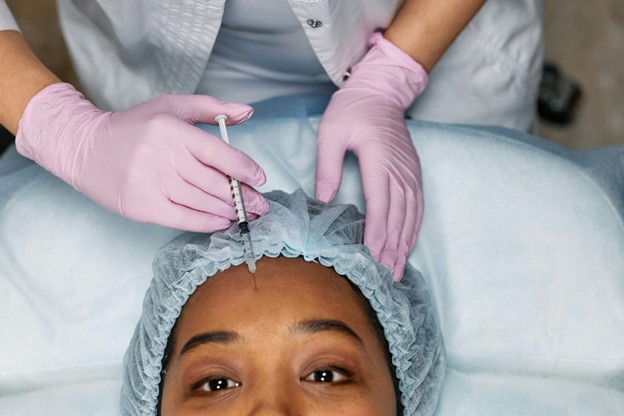
    Dermal fillers and neuromodulators like Botox can provide subtle lifting effects, smoothing wrinkles and refreshing your appearance in under an hour. These treatments are:

    • Convenient, with no recovery time.
    • Affordable compared to surgical options.
    • Perfect for maintaining results between facelifts.

    Energy-Based Rejuvenation

    Technologies like ultrasound and radiofrequency are making it easier than ever to tighten skin and stimulate collagen production. These energy-based devices:

    • Work without incisions.
    • Deliver noticeable improvements over time.
    • Fit seamlessly into a busy lifestyle.

    Nanotechnology: The Tiny Hero of Cosmetic Surgery

    Nanotechnology is revolutionizing how facelifts are performed and how patients recover. Think of it as science working on a microscopic level to make everything safer and more effective.

    Faster Healing, Fewer Scars

    Nanostructured materials are transforming wound care by promoting faster, cleaner healing. These advancements reduce scarring and help patients get back to their lives sooner.

    Smart Medicine Delivery

    Targeted drug delivery systems ensure medications go directly to the areas where they’re needed most. This reduces side effects and speeds up recovery, making the entire process smoother for patients.

    Technology Making Facelifts More Accessible

    Telemedicine for a Global Reach

    Consulting with a top surgeon used to mean traveling long distances. Now, virtual consultations make expert advice available to anyone, anywhere. Whether you’re across town or across the globe, telemedicine lets you:

    • Discuss your goals from the comfort of home.
    • Save time and money on travel.
    • Build a relationship with your surgeon before ever stepping into the clinic.

    Wearable Tech for Recovery

    Post-surgery care just got easier. Wearable devices can monitor your healing progress in real-time, tracking everything from swelling to temperature. This level of insight ensures:

    • Early detection of potential issues.
    • Personalized care based on your recovery data.

    A Future That’s Bright and Inclusive

    As facelifts become safer and more accessible, they’re also becoming a possibility for more people. The ongoing development of affordable, patient-friendly technologies means that looking and feeling your best is no longer reserved for a select few.

    From advanced surgical techniques to non-invasive options, the world of cosmetic surgery is brimming with possibilities. These innovations aren’t just about aesthetics—they’re about empowering people to make confident choices that align with their goals. With collaboration between surgeons, scientists, and technologists, the future of facelifts is poised to be even more exciting, inclusive, and life-changing.

    So, whether you’re considering a subtle refresh or a full transformation, rest assured that modern cosmetic surgery is designed with you in mind—safer, smarter, and more accessible than ever before.